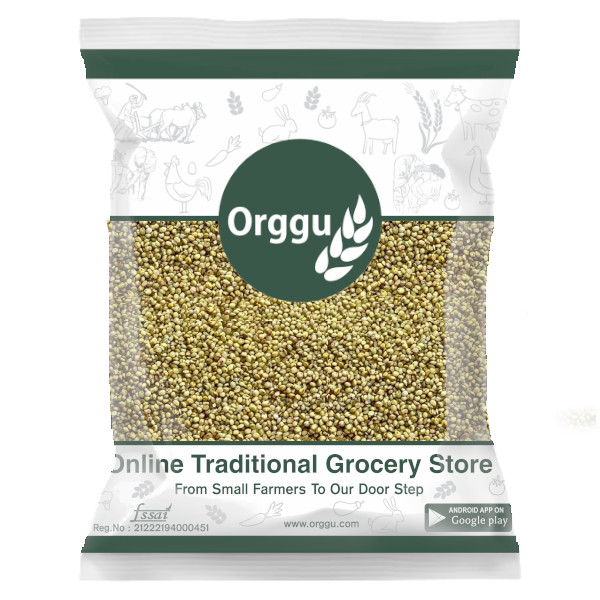
Millets for Skin: What Diet Can (and Can’t) Do

Certified organic food specialists · Sources: NIN Hyderabad, ICMR, USDA FoodData Central
Can eating millets help your skin? Here is the honest answer: millets are low-GI, high-fibre whole grains with some antioxidants and minerals like zinc, so replacing refined carbs and sugar with them fits the kind of balanced, gut-friendly diet that supports skin for many people. But millets are a food, not a skincare treatment — they do not cure acne, clear pigmentation or give an "instant glow", and skin is shaped far more by sun, sleep, hydration, genetics and overall diet than by any single grain. This guide explains where millets genuinely fit, what actually matters most for skin, and how to use them — sensibly.
Why millets fit · What matters most for skin · Best millets · How to include them · Myths vs facts · FAQs
Why millets fit a skin-friendly diet
Dietary advice for skin tends to point the same way as advice for general health: less sugar and refined carbohydrate, more whole foods, fibre and vegetables. Millets line up with the grain part of that:
- Low glycemic index. Some research links high-GI, sugary diets with acne. Swapping white rice and maida for a low-GI millet replaces a refined carbohydrate with a gentler one (see the millet glycemic index guide).
- Fibre and the gut. Unpolished millets are fibre-rich, and a well-fed gut is increasingly discussed in relation to skin (the "gut–skin" link). Fibre supports digestion generally — see millets for gut health.
- Antioxidants and minerals. Whole millets carry polyphenol antioxidants and minerals such as zinc (notably in foxtail millet) and iron (NIN IFCT 2017) — nutrients that feature in a skin-supportive diet, though the amounts are ordinary, not medicinal.
None of this makes millets a skin treatment. They help by being a wholesome, low-GI grain within a better overall diet. For the wider framework, see what are siridhanya millets.
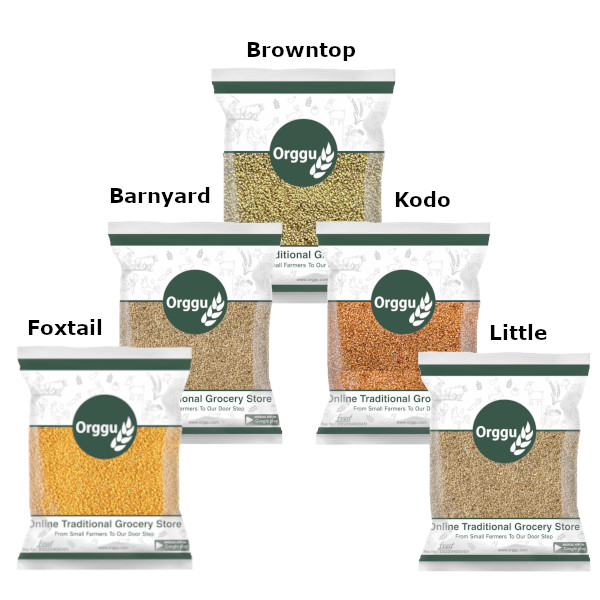
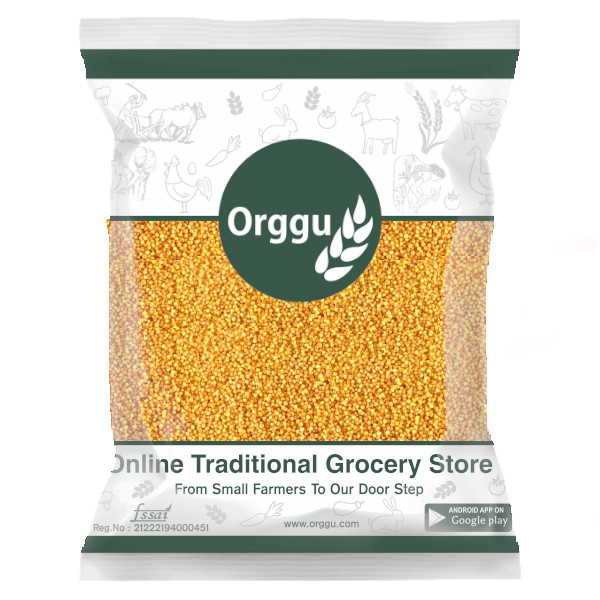
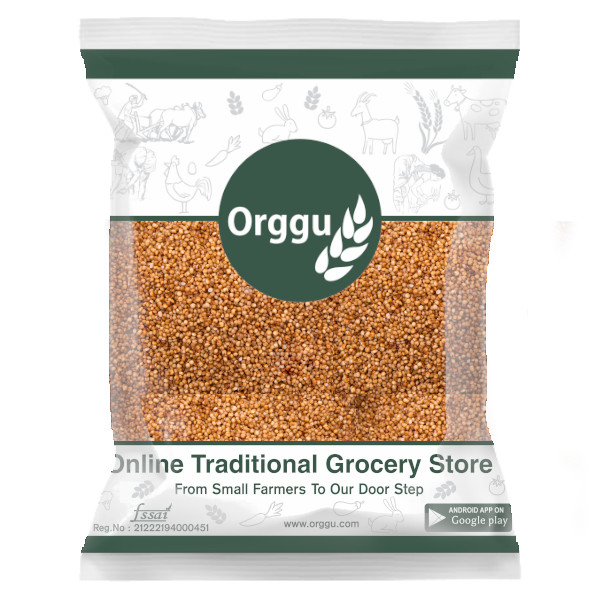
Shop the millets in this article
What matters most for skin (be honest here)
It would be misleading to talk up millets for skin without saying this plainly: diet is only one factor, and no single food transforms your skin. For most people the biggest levers are:
- Sun protection — daily sunscreen and shade do more for long-term skin than any grain.
- Sleep and stress — poor sleep and high stress show on skin.
- Hydration and not smoking.
- Overall balanced diet — plenty of vegetables, fruit and whole foods, and less sugar and ultra-processed food. Millets are one supportive swap within this, not the whole answer.
- A simple skincare routine, and a dermatologist for any specific condition.
Put millets in the "healthy overall diet" box — a genuine, modest contributor — and keep your expectations honest.
Best millets to include
No single millet is special for skin — rotating several unpolished whole millets is the practical approach. All of these are whole, low-GI and a good rice replacement:
| Millet | Why it fits |
|---|---|
| Foxtail (guide) | Mild and rice-like; a good source of zinc among millets |
| Barnyard | Lowest-GI millet; light and high in fibre |
| Little millet | Easy to digest, fibre-rich |
| Kodo millet | Nutty, filling, high fibre and antioxidants |
| Finger millet (ragi) | Whole-grain flour option; provides calcium and iron too |
Choose unpolished millets so the fibre-rich bran and its nutrients stay intact. Wholesome seeds add to the same skin-supportive pattern — see seeds to eat daily. The Positive Millets Combo bundles several so you can rotate.
How to include millets
- Swap one meal first. Replace white rice or refined wheat with an unpolished millet at one meal a day.
- Cut the sugar, not just the grain. The low-GI benefit is lost if the meal is loaded with sugar and fried food.
- Pair with vegetables and good fats. Colourful vegetables, dal, nuts and seeds round out a skin-supportive plate.
- Rotate. Different millets through the week — our 7-day millet diet plan shows one way.
Myths vs facts
| Myth | Fact |
|---|---|
| "Millets give you glowing skin." | No food gives an instant glow. Millets support a healthy diet as a low-GI whole grain; visible skin changes come from overall habits over time. |
| "Millets cure acne / eczema / pigmentation." | They do not cure any skin condition. A low-GI diet may help acne for some as one factor; persistent conditions need a dermatologist. |
| "Millet face packs are good for skin." | Millets are food, not skincare. There is no good evidence for millet face packs, and homemade scrubs can irritate skin. |
| "Millets detox your skin." | The body detoxifies itself via the liver and kidneys. "Skin detox" from a food is a marketing myth. |
Where to start
Begin with unpolished millets online or the Positive Millets set to rotate several — as the low-GI, whole-grain part of an overall skin-supportive diet (alongside sun protection, sleep and good skincare).
Related reading: millets for gut health · millets for PCOS · millet glycemic index · coconut oil for skin & hair.
Shop the millets in this article
Frequently Asked Questions
Sources & References
- Indian Food Composition Tables (2017) — National Institute of Nutrition (NIN), Hyderabad / ICMR (fibre, zinc and iron content of millets).
- Dermatology-literature theme that high-glycemic-load diets are associated with acne in some studies, and that overall diet is one of several factors in skin health.
General dietary information only. No therapeutic or quantified skin claim is made. This article is not a substitute for dermatological care.