What Are Siridhanya Millets? Complete Guide to the 5 Miracle Grains

Certified organic food specialists · Sources: NIN Hyderabad, ICMR, USDA FoodData Central
📖 ~7 min read · In this article:
Siridhanya millets are a group of 5 ancient grains that have been cultivated in India for thousands of years. Popularized by renowned food scientist Dr. Khadar Vali, these millets are called "positive millets" for their extraordinary health benefits — from managing diabetes to aiding weight loss.
If you're looking for a healthier alternative to rice and wheat, Siridhanya millets are the answer. They are rich in fiber, minerals, and have a low glycemic index, making them ideal for people with diabetes, heart conditions, or anyone who wants to eat healthier.
Myths vs Facts About Millets
Tap each card to reveal whether it's a myth or fact:
What Does Siridhanya Mean?
Dr. Khadar Vali, a Mysore-based food scientist, classified millets into two categories:
- Positive Millets (Siridhanya): Foxtail, Barnyard, Kodo, Little, and Browntop millet — which he describes as alkaline and highly nutritious.
- Neutral Millets: Ragi (Finger Millet), Jowar (Sorghum), and Bajra (Pearl Millet) — these are commonly consumed but have comparatively lower medicinal value than Siridhanya millets.
The key difference is that Siridhanya millets are small-seeded, unpolished grains that retain their fibrous bran layer. This bran is rich in antioxidants, dietary fiber, and essential minerals that help the body heal from modern lifestyle diseases.
Shop the millets in this article
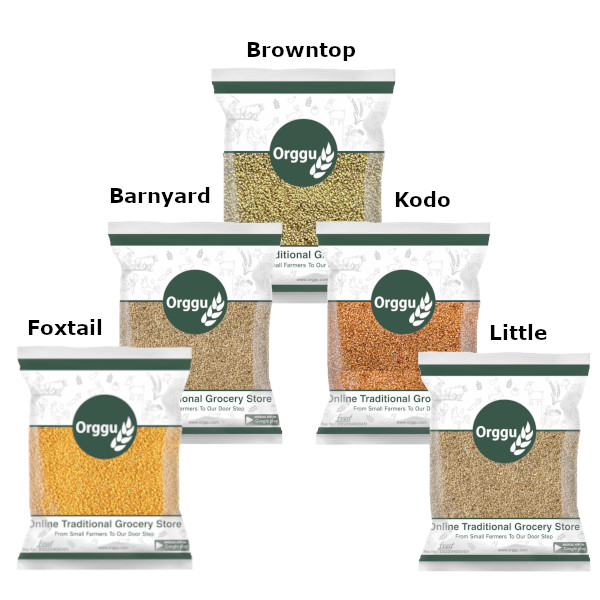
The 5 Siridhanya Millets
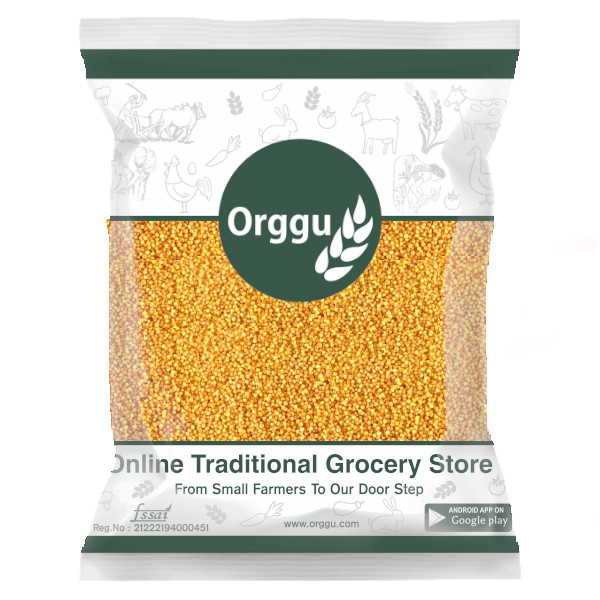
1. Foxtail Millet (Navane / Kangni / Thinai)
Foxtail millet is the most popular among Siridhanya millets. It has a mild, slightly nutty flavour and cooks just like rice. It's an excellent source of iron and helps in controlling blood sugar and cholesterol.
- Kannada: Navane
- Tamil: Thinai
- Hindi: Kangni / Kakum
- Telugu: Korralu
- Key Benefits: Rich in iron, good for diabetes, strengthens immune system
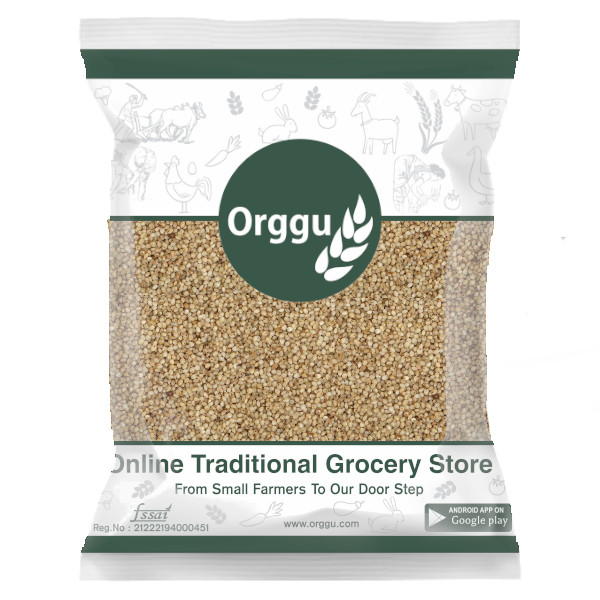
2. Barnyard Millet (Oodalu / Sanwa / Kuthiraivali)
Barnyard millet is the lowest calorie millet, making it ideal for weight loss. It has high fiber content and is naturally gluten-free. In South India, it's traditionally used during fasting days.
- Kannada: Oodalu
- Tamil: Kuthiraivali
- Hindi: Sanwa / Jhangora
- Telugu: Udalu
- Key Benefits: Lowest calories, great for weight loss, high fiber
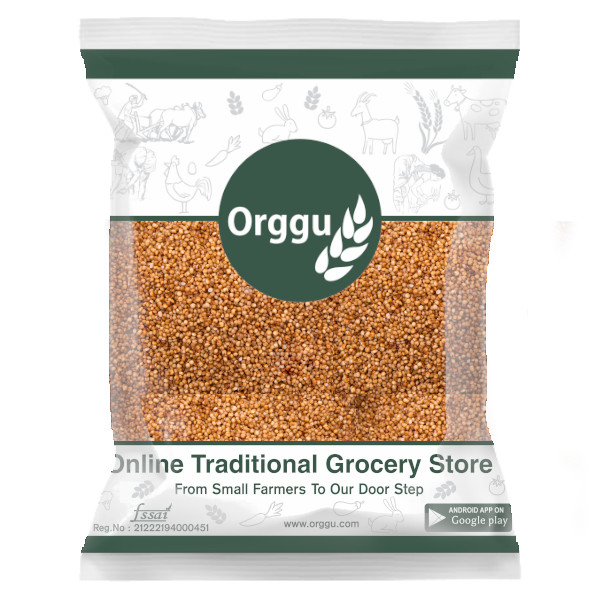
3. Kodo Millet (Harka / Kodra / Varagu)
Kodo millet is known for its antioxidant properties. It has a higher polyphenol content compared to other millets, which helps fight free radicals. It's especially beneficial for people with digestive issues.
- Kannada: Harka
- Tamil: Varagu
- Hindi: Kodra / Kodon
- Telugu: Arikelu
- Key Benefits: High antioxidants, good for digestion, anti-diabetic properties
4. Little Millet (Saame / Kutki / Samai)
Little millet is the easiest to cook among all Siridhanya millets. It has a texture very similar to rice, making it the best starting point for people transitioning from rice to millets. It's rich in B vitamins and minerals.
You can buy all five together as our positive millets combo, unpolished and sourced from Karnataka farmers.
- Kannada: Saame
- Tamil: Samai
- Hindi: Kutki / Moraiyo
- Telugu: Samalu
- Key Benefits: Easy to cook, rich in B vitamins, good for heart health
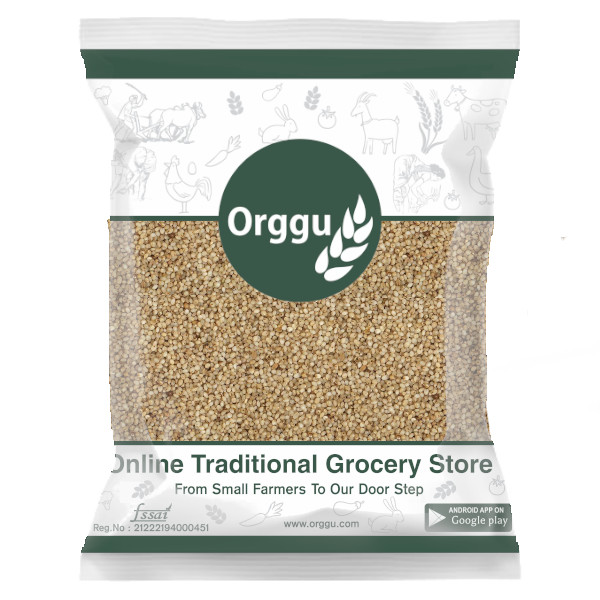
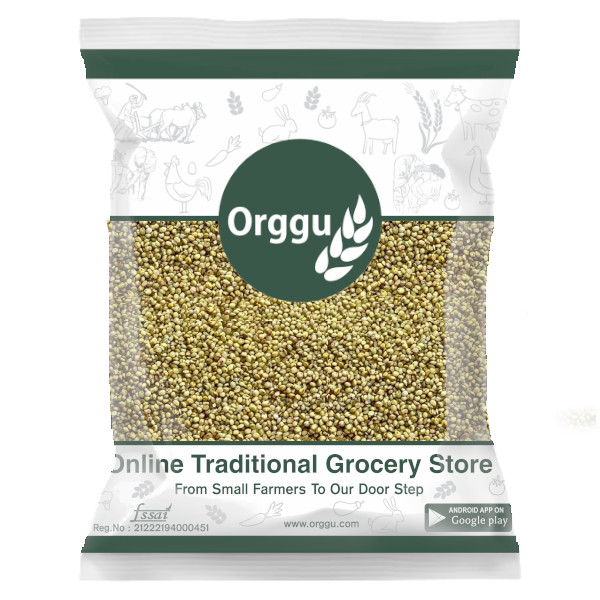
5. Browntop Millet (Korle / Choti Kangni / Panivaragu)
Browntop millet is the rarest and most prized Siridhanya millet. It's primarily grown in Karnataka's dry regions. Dr. Khadar Vali considers it the most powerful healing millet, especially for gut health and detoxification.
- Kannada: Korle
- Tamil: Panivaragu
- Hindi: Choti Kangni
- Telugu: Andu Korralu
- Key Benefits: Best for gut health, detoxification, rare and powerful healing grain
Health Benefits of Siridhanya Millets
Here's why health experts and nutritionists recommend switching to Siridhanya millets:
- Diabetes Management: Low glycemic index (GI 50-60) helps control blood sugar spikes. Many diabetic patients have reported reduced HbA1c levels after switching to Siridhanya millets.
- Weight Loss: High fiber content keeps you full for longer. Barnyard millet has the lowest calorie count among all grains, making it perfect for weight management.
- Heart Health: Rich in magnesium and potassium, Siridhanya millets help regulate blood pressure and reduce bad cholesterol (LDL).
- Gut Health: The prebiotic fiber in millets feeds good gut bacteria, improving digestion and nutrient absorption. Browntop millet is especially powerful for gut healing.
- Gluten-Free: All Siridhanya millets are naturally gluten-free, making them safe for people with celiac disease or gluten sensitivity.
- Rich in Minerals: Excellent source of iron, calcium, zinc, and phosphorus — essential minerals often lacking in modern diets.
Polished vs Unpolished Millets — Why It Matters
When buying millets, always choose unpolished millets. Here's why:
At Orggu, all our millets are 100% unpolished, sourced directly from small farmers across Karnataka. We never machine-polish our grains, so you get the full nutritional benefit.
How to Cook Siridhanya Millets
Cooking Siridhanya millets is easy once you know the basics:
- Soak: Wash and soak millets for 6-8 hours (or overnight). This activates enzymes and makes them easier to digest.
- Drain: Rinse the soaked millets with fresh water.
- Cook: Use a 1:2.5 millet-to-water ratio. Bring water to boil, add millets, cover and cook on low flame for 15-20 minutes.
- Rest: Turn off the flame and let it sit covered for 5 minutes. Fluff with a fork.
Recipe ideas: Millet rice (replace regular rice), millet upma, millet khichdi, millet pongal, millet dosa, millet porridge, and millet pulao. You can use any Siridhanya millet in most rice-based recipes!
Where to Buy Siridhanya Millets in Bangalore
Finding genuine, unpolished Siridhanya millets can be challenging. Many stores sell polished millets labelled as unpolished. At Orggu, we guarantee:
If you have a specific condition in mind, see our condition-specific guides: Millets for Diabetes and Millets for Thyroid: Safe Choices, What to Avoid.
- Farm-Direct Sourcing: We work with 50+ small farmers across Karnataka
- 100% Unpolished: All millets are hand-cleaned and sun-dried, never machine-polished
- Free Delivery: Free delivery across Bangalore for all orders
- Cash on Delivery: Pay when you receive your order
- Quality Guarantee: FSSAI certified with 100% natural products
🌱 Why Buy Millets from Orggu?
🌾 Small Farmers (50+ across Karnataka) → ☀️ Sun-Dried (natural processing) → 🧹 Hand-Cleaned (never machine-polished) → 📦 Fresh Packed (airtight, food-grade) → 🚚 Free Delivery (across Bangalore)
Shop the millets in this article
Frequently Asked Questions
Ready to try Siridhanya millets?
Start with our 5-millet combo pack — one of each Siridhanya grain, 100% unpolished.
Buy Positive Millets ComboSee the Complete Dr Khadar Vali Diet Kit — millets + salt + oil + jaggery.
