Dr Khadar Vali: The Millet Man of India and His Siridhanya Diet

Certified organic food specialists · Sources: NIN Hyderabad, ICMR, USDA FoodData Central
Dr Khadar Vali (Khadar Valli Dudekula) is a Mysuru-based scientist known as the "Millet Man of India" and widely known for reviving five disappearing millets. He received the Padma Shri in 2023 for his contributions to science and engineering. After a PhD from the Indian Institute of Science (IISc), Bengaluru, he worked as a scientist in the US, returned to India in 1997, and advocates eating millets in place of rice and wheat.
📖 12 min read · In this article:
Want it laid out day by day? Follow our practical 7-day millet diet plan that rotates all five millets across the week.
- Who is Dr Khadar Vali?
- What is Siridhanya?
- Myths vs Facts About the Siridhanya Diet
- The 5 Siridhanya Millets
- Siridhanya Millet Names in Kannada, Telugu, Tamil and Hindi
- Dr Khadar Vali's Weekly Diet Plan
- Other Millets in Dr Khadar Vali's Diet
- Health Benefits of the Siridhanya Diet
- Tips for Starting the Millet Diet
- Books by Dr Khadar Vali
- Frequently Asked Questions
- Related Articles
If you've been exploring healthy Indian diets or looking for natural ways to manage diabetes, weight, or chronic illness, chances are you've come across the name Dr Khadar Vali. Often called the "Millet Man of India", Dr Khadar Vali has sparked a nationwide movement to bring back traditional grains that our ancestors ate for thousands of years. His central message is simple but powerful: replace polished rice and wheat with unpolished millets, and watch your health transform.
At the heart of his teachings is the concept of Siridhanya — a group of 5 specific millets that he considers the most medicinal grains on the planet. Any medical condition should continue to be managed under the care of a qualified doctor. This guide covers everything you need to know about Dr Khadar Vali's Siridhanya diet: the 5 millets, the weekly plan, the health benefits, and how to get started.
Who is Dr Khadar Vali?
Dr Khadar Vali is an Indian food scientist and researcher based in Mysore, Karnataka. He holds a PhD from the Indian Institute of Science (IISc), Bengaluru and has spent decades studying the nutritional and medicinal properties of traditional Indian grains, particularly millets. Unlike many modern nutritionists who focus on Western diets and supplements, Dr Khadar Vali looked backward — to the grains that rural India thrived on for millennia before the Green Revolution replaced them with high-yield rice and wheat.
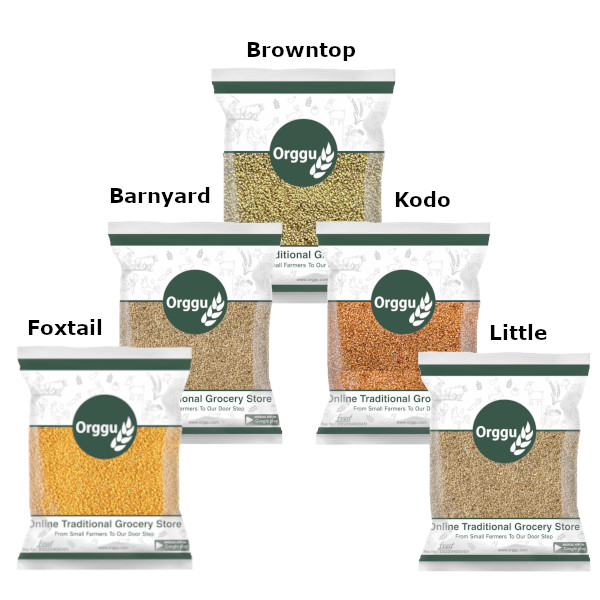
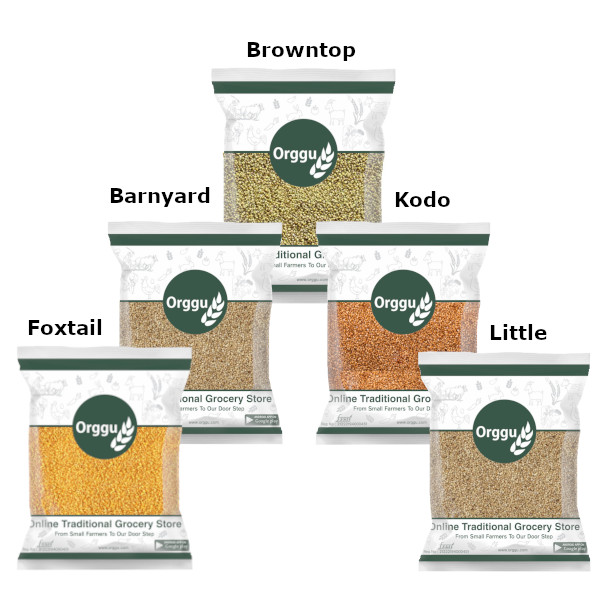
The five grains at the centre of this protocol are the positive (Siridhanya) millets — foxtail, browntop, little, kodo and barnyard.
His research led him to identify 5 specific millets with extraordinary medicinal properties, which he named Siridhanya (positive or wealthy grains). He contrasts these with what he calls "negative grains" — polished rice, wheat, and maize — which he argues are stripped of nutrition and contribute to modern lifestyle diseases. Through hundreds of lectures, YouTube videos, and public seminars, Dr Khadar Vali has built a massive following. His message resonates because it's rooted in Indian tradition and affordable for everyone.
He advocates not just millets, but a complete lifestyle shift: cold-pressed oils instead of refined oils, palm jaggery instead of white sugar, and wood-pressed cooking methods. But the cornerstone of his philosophy is always the same — eat Siridhanya millets daily.
Shop the millets in this article
What is Siridhanya?
The word Siridhanya comes from two Kannada/Sanskrit roots: "Sri" meaning wealth or prosperity, and "Dhanya" meaning grains. Together, Siridhanya means "wealthy grains" or "grains of prosperity" — a fitting name for millets that Dr Khadar Vali considers the most nutritionally complete foods available to humans.
Siridhanya specifically refers to 5 millets that Dr Khadar Vali has identified as having the highest medicinal value:
- Foxtail Millet (Navane in Kannada)
- Kodo Millet (Harka in Kannada)
- Barnyard Millet (Oodalu in Kannada)
- Little Millet (Saame in Kannada)
- Browntop Millet (Korale in Kannada)
What makes these 5 special? According to Dr Khadar Vali, they share key properties that other grains lack: extremely high dietary fibre, very low glycemic index, rich mineral content, and unique medicinal compounds that help the body heal from chronic diseases. He classifies all other grains on a spectrum: "neutral grains" like ragi and bajra (nutritious but not medicinal), and "negative grains" like polished rice, wheat, and maize (which he considers harmful when consumed daily).
If you want the exact grains Dr. Khadar Vali recommends, our Dr Khadar Vali millets range keeps each one unpolished and separated by variety.
The critical requirement is that these millets must be unpolished. Polished millets have their bran and germ layers removed, stripping away the very fibre and nutrients that make them medicinal. Only unpolished Siridhanya millets deliver the full benefits that Dr Khadar Vali describes.
Myths vs Facts About the Siridhanya Diet
Dr Khadar Vali's millet movement has millions of followers, but also many misconceptions. Tap each card to reveal the truth:
The 5 Siridhanya Millets
Let's look at each of the 5 positive millets in detail — their nutrition, Dr Khadar Vali's recommendations, and where to buy them unpolished. Where the descriptions below link a millet to organs or conditions, these associations come from Dr Khadar Vali's teachings and are not established by clinical research.
1. Foxtail Millet (Navane)
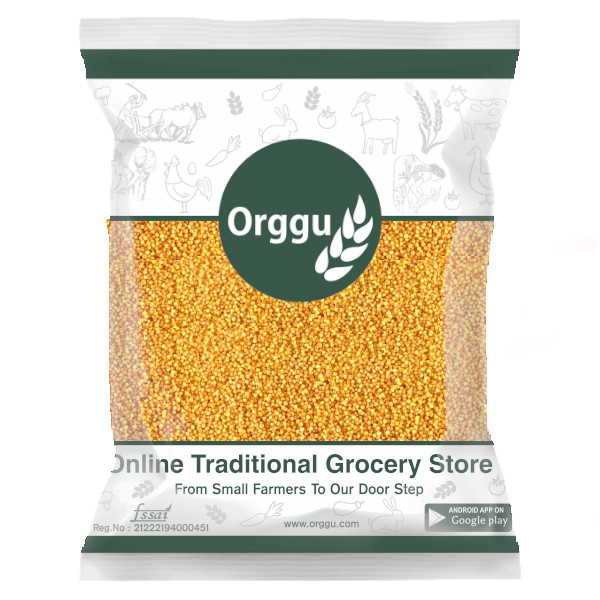
Foxtail millet is the most popular Siridhanya millet and the easiest to start with because it tastes closest to rice. It's known as Navane in Kannada, Thinai in Tamil, and Kangni in Hindi. Dr Khadar Vali recommends foxtail millet especially for people with thyroid disorders and diabetes.
Foxtail millet is rich in iron (2.8mg/100g) and calcium (31mg/100g), with a glycemic index of approximately 50 — significantly lower than white rice (73). It's the ideal "gateway millet" for anyone transitioning from rice, as the texture and taste are remarkably similar. Most people find they can make the switch without any difficulty.
Beginners usually find it easiest to start with the complete Siridhanya kit, which bundles all five millets in a single pack.
2. Kodo Millet (Harka)
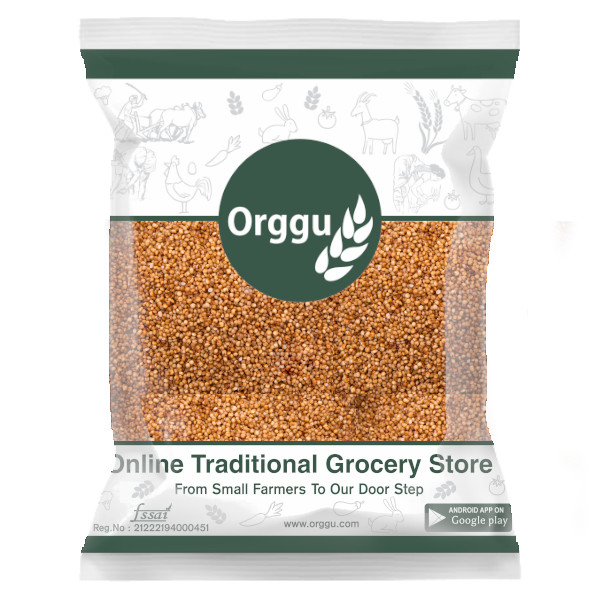
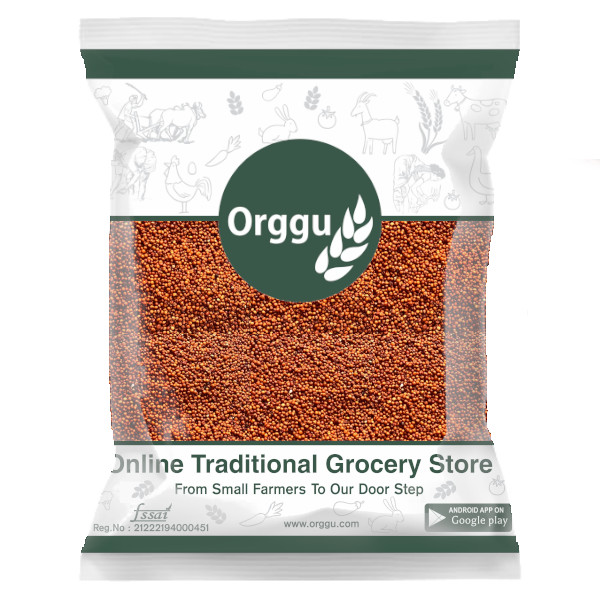
Kodo millet is, in Dr Khadar Vali's teachings, the Siridhanya most associated with blood purification and liver health. Known as Harka in Kannada, Varagu in Tamil, and Kodra in Hindi, this millet has the highest antioxidant content among all Siridhanya millets. Dr Khadar Vali specifically recommends it for people with liver problems, skin conditions, and blood-related disorders.
Kodo millet is rich in polyphenols and flavonoids, which are antioxidants. It has a slightly earthy taste and cooks well as a rice replacement. With a glycemic index of approximately 55, it's firmly in the low-GI category.
3. Barnyard Millet (Oodalu)
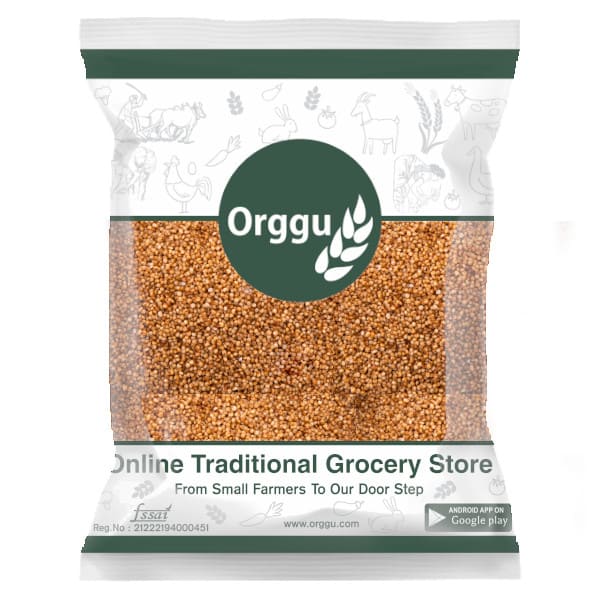
Barnyard millet has the lowest glycemic index (approximately 41) of all Siridhanya millets, making it a good low-GI choice. Known as Oodalu in Kannada, Kuthiraivali in Tamil, and Sanwa in Hindi, this millet is Dr Khadar Vali's top recommendation for kidney health and bone strength.
What sets barnyard millet apart is its exceptionally high fibre content — the highest among all the Siridhanya millets. Fibre slows down sugar absorption and helps keep you full for longer. It's also rich in calcium and phosphorus, which are essential for bone health. Barnyard millet has a mild, pleasant taste and absorbs flavours well, making it versatile in cooking.
4. Little Millet (Saame)
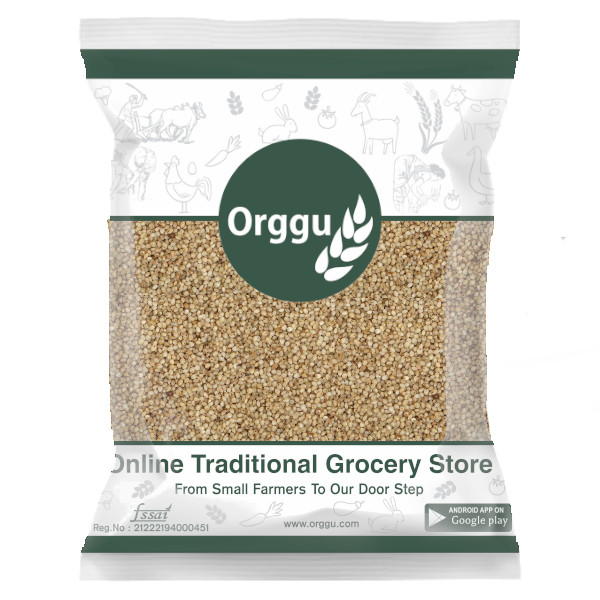
Little millet is Dr Khadar Vali's recommended Siridhanya for fat metabolism and heart health. Known as Saame in Kannada, Samai in Tamil, and Kutki in Hindi, this tiny-grained millet packs a powerful nutritional punch. It's particularly rich in B vitamins, especially niacin and thiamine, which play crucial roles in energy metabolism.
To follow the weekly rotation without weighing each grain separately, the Dr Khadar Vali diet kit portions them for you.
Dr Khadar Vali associates little millet with fat metabolism, and it is high in fibre, which may support healthy cholesterol and weight management as part of a balanced diet. It also contains magnesium and potassium. With a glycemic index of approximately 52, it's another low-GI option.
5. Browntop Millet (Korale)
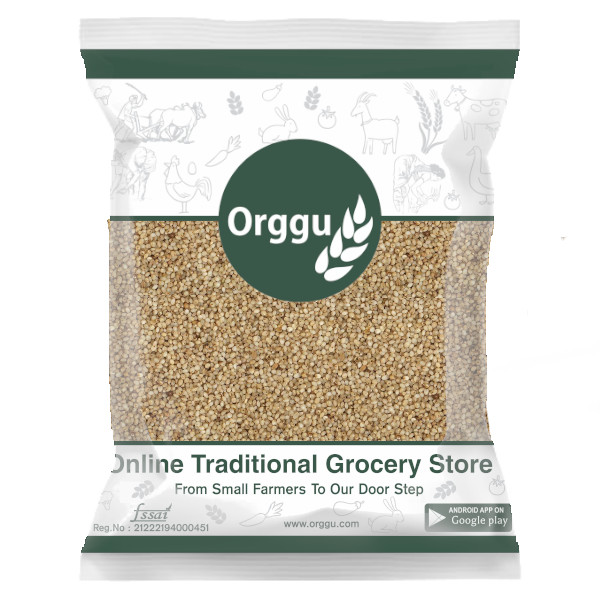
Browntop millet is the rarest and most prized of the 5 Siridhanya millets. Known as Korale in Kannada and Andu Korralu in Telugu, this millet was nearly extinct before Dr Khadar Vali's movement helped revive its cultivation. He recommends it specifically for digestion and weight loss.
Browntop millet is exceptionally high in fibre and has a glycemic index of approximately 45 — making it a low-GI grain. Dr Khadar Vali values it for digestion: its high fibre supports regular digestion when added gradually with enough water. Because of its rarity and the difficulty of cultivation, browntop millet is typically more expensive than other millets, but many followers of Dr Khadar Vali consider it the most powerful Siridhanya.
Siridhanya Millet Names in Kannada, Telugu, Tamil and Hindi
The same five millets go by different names in every Indian language. Tap a language heading for its full millet-name guide.
| English | Kannada | Telugu | Tamil | Hindi |
|---|---|---|---|---|
| Foxtail millet | ನವಣೆ (Navane) | కొర్రలు (Korralu) | தினை (Thinai) | कँगनी (Kangni) |
| Kodo millet | ಹಾರಕ (Harka) | Arikelu | வரகு (Varagu) | कोदो (Kodo) |
| Barnyard millet | ಊದಲು (Oodalu) | బొంతసామలు (Bonthasaamalu) | குதிரைவாளி (Kuthiraivaali) | साँवा (Sanwa) |
| Little millet | ಸಾಮೆ (Saame) | సామలు (Samalu) | சாமை (Saamai) | Kutki |
| Browntop millet | Korale | Andakorra | — | — |
Dr Khadar Vali's Weekly Diet Plan
Dr Khadar Vali recommends a weekly rotation plan where you eat a different Siridhanya millet each day. This gives you the full range of nutrients from all 5 millets rather than relying on just one. Here is his standard weekly rotation plan:
| Day | Millet | Kannada Name | Dr Khadar Vali's association |
|---|---|---|---|
| Monday | Foxtail Millet | Navane | Thyroid, Diabetes |
| Tuesday | Kodo Millet | Harka | Blood Purification, Liver |
| Wednesday | Barnyard Millet | Oodalu | Kidney Health, Bones |
| Thursday | Little Millet | Saame | Fat Metabolism, Heart |
| Friday | Browntop Millet | Korale | Digestion, Weight Loss |
| Saturday | Any Siridhanya | — | Your Choice |
| Sunday | Rest / Any Siridhanya | — | Flexible |
These associations come from Dr Khadar Vali's teachings and are not established by clinical research.
How to Prepare Your Daily Millet
- Soak: Wash the millet and soak in water for 4-6 hours (overnight is best). Soaking activates enzymes, reduces anti-nutrients, and makes the millet easier to digest and cook.
- Rinse: Drain the soaking water and rinse the millet thoroughly with fresh water.
- Cook: Use a 1:2.5 millet-to-water ratio. Bring water to a boil, add soaked millet, cover and cook on low flame for 15-20 minutes. You can also pressure cook for 3-4 whistles.
- Serve: Eat the millet as a complete rice replacement for lunch and dinner. Pair with sambar, rasam, dal, curry, curd, or any traditional accompaniment.
Other Millets in Dr Khadar Vali's Diet
While the 5 Siridhanya millets are the stars of Dr Khadar Vali's diet plan, he also recognises the value of other millets — which he classifies as "neutral grains". These are nutritious and far better than rice or wheat, but they don't possess the same level of medicinal properties as Siridhanya.
Many readers come to this diet for blood-sugar support — our guide to the best millets for diabetes covers the lowest-GI options.
Finger Millet (Ragi) is the most well-known neutral grain. It's an excellent source of calcium (344mg per 100g — more than milk!) and is widely consumed across Karnataka and Tamil Nadu. Ragi is great for bone health, especially for children, pregnant women, and elderly people. While it's not Siridhanya, Dr Khadar Vali considers it a good addition to the diet alongside the 5 positive millets.
Pearl Millet (Bajra) is another neutral grain, prized for its high iron content and heat-generating properties. It's especially popular in Rajasthan and Gujarat. Bajra is excellent for anaemia and cold climates, but like ragi, it lacks the specific medicinal compounds found in Siridhanya millets.
Health Benefits of the Siridhanya Diet
Millets are a food, not a treatment, and you should always consult your doctor about any health condition. Here is what the Siridhanya millet diet offers nutritionally:
- Blood sugar: All 5 Siridhanya millets have a low glycemic index (41-55), so blood sugar rises more gently than with white rice. If you have diabetes, follow your doctor's advice.
- Heart health: Millets are high in fibre, which may support healthy cholesterol as part of a balanced diet, and they contain magnesium and potassium. Dr Khadar Vali associates little millet and foxtail millet with heart health.
- Weight management: Millets are high in fibre and protein, which help you feel full for longer. Compared with polished white rice, they offer more fibre and minerals. Dr Khadar Vali especially recommends browntop millet for weight management.
- Gut health: The dietary fibre in unpolished millets can act as a prebiotic and supports regular bowel movements when added gradually with enough water.
- Minerals for bones: Barnyard millet and foxtail millet contain calcium and phosphorus, minerals that contribute to normal bone health. Ragi is especially rich in calcium (344mg/100g).
- Thyroid support: Foxtail millet is specifically recommended by Dr Khadar Vali for people with thyroid disorders. Its selenium and mineral content is believed to support healthy thyroid function. Read our full guide: Millets for Thyroid: Safe Choices, What to Avoid.
- Antioxidants: Siridhanya millets — especially kodo millet — contain antioxidants, phenolic compounds, and flavonoids. Millets do not prevent or cure cancer; a varied diet rich in whole grains, vegetables and fruit is what health guidelines recommend.
Want to try all 5 Siridhanya millets? Our combo pack contains all the positive millets in one convenient package:
For those using the diet to manage weight, the best millets for weight loss collection highlights the highest-fibre choices.
Tips for Starting the Millet Diet
Switching from rice to millets is a big change, and it's important to do it right. Here are practical tips to help you succeed on Dr Khadar Vali's Siridhanya diet:
- Start gradually: If you're new to millets, begin by replacing one meal per day (preferably lunch) with millet instead of rice. Once you're comfortable, switch dinner as well. A sudden complete switch can cause digestive discomfort in some people.
- Always soak properly: Soaking millets for 4-6 hours (overnight is ideal) is non-negotiable. Soaking softens the grain, removes anti-nutrients like phytic acid, and makes the minerals more bioavailable. Unsoaked millet will be harder to digest and won't cook as well.
- Don't mix with rice initially: Dr Khadar Vali advises against mixing millet and rice in the same meal when starting out. Commit fully to millet for your grain portion to let your body adjust and experience the benefits.
- Stick with it for 3 months: Give the diet a minimum of 90 days before judging results. Health markers like blood sugar, cholesterol, and weight take time to change. Most people report significant improvements after the 3-month mark.
- Use cold-pressed oils: Dr Khadar Vali recommends pairing millets with cold-pressed oils (coconut, groundnut, or sesame) instead of refined oils. This completes the traditional diet that our ancestors thrived on. Check out our cold-pressed oils collection.
Books by Dr Khadar Vali
Available from booksellers; Orggu is not affiliated with Dr Khadar Vali or these sellers.
- Siridhanya (Hindi)
- Siridhanyalu – Wholesome Health with Small Millets (Telugu)
🌱 Why Buy Siridhanya Millets from Orggu?
🌾 Small Farmers (50+ across Karnataka) → 🧹 Hand-Cleaned (no machine polishing) → 🎞 100% Unpolished (bran and germ intact) → 📦 Fresh Packed (airtight, food-grade) → 🚚 Free Delivery (same week, to your door)
Shop the millets in this article
Frequently Asked Questions
Related Articles
- Siridhanya Millets Benefits: The Complete Guide
- Foxtail Millet Benefits: Nutrition, Recipes & More
- Kodo Millet Benefits: The Blood Purifying Millet
- Barnyard Millet Benefits: Best Millet for Diabetes
- Little Millet Benefits: The Heart-Healthy Millet
- Browntop Millet Benefits: The Rarest Siridhanya
- Polished vs Unpolished Millets: Which Should You Buy?
- Best Millets for Diabetes: Complete Comparison Guide
Health disclaimer: This article is general information, not medical advice. If you have diabetes or a thyroid condition, or take any medication, consult your doctor before changing your diet.
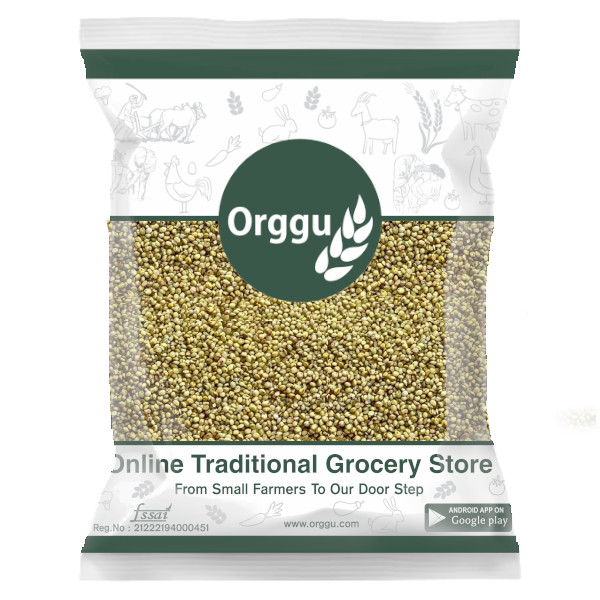
Start the Siridhanya millet diet
All 5 Dr. Khadar Vali recommended millets in one combo pack.
Buy Positive Millets ComboSee the Complete Dr Khadar Vali Diet Kit — millets + salt + oil + jaggery.
