Polished vs Unpolished Millets: Why Unpolished is Better

Certified organic food specialists · Sources: NIN Hyderabad, ICMR, USDA FoodData Central
📖 11 min read · In this article:
- What Does Polishing Mean?
- Myths vs Facts About Millet Polishing
- Polished vs Unpolished Millets: Key Differences
- Why Unpolished Millets Are Healthier
- The 5 Siridhanya Unpolished Millets
- How to Cook Unpolished Millets
- How to Identify Genuine Unpolished Millets
- Get All 5 Siridhanya Millets
- Where to Buy Unpolished Millets in Bangalore
- Frequently Asked Questions
If you've started exploring millets as a healthier alternative to white rice, you've probably come across two terms: polished millets and unpolished millets. This distinction matters far more than most people realise. In fact, choosing the wrong type of millet can mean you're missing out on up to 60-70% of the health benefits that make millets so special in the first place.
For thousands of years, our ancestors ate millets in their natural, unpolished form. The grains were simply harvested, dried, and stored with their bran and germ layers intact. It was only in recent decades, driven by modern processing and consumer preference for whiter, shinier grains, that polishing became widespread. Today, many millets sold in supermarkets and online stores are polished — stripped of their most nutritious layers — yet marketed as "healthy." This guide will help you understand exactly what polishing does, why unpolished millets are far superior, and how to identify and buy genuine unpolished millets.
What Does Polishing Mean?
Polishing is a mechanical process where the outer layers of a grain — specifically the bran (fibre-rich outer coat) and the germ (nutrient-dense core) — are removed using abrasive machines. What remains is the endosperm, which is mostly starch with very little nutritional value beyond calories and carbohydrates.
This is exactly the same process that turns brown rice into white rice, and whole wheat into refined maida. With millets, polishing removes the rough, naturally coloured outer layer and produces a grain that looks whiter, shinier, and more uniform. But this cosmetic improvement comes at a steep nutritional cost.
So why do manufacturers polish millets? There are a few reasons: polished millets have a longer shelf life because the oil-rich bran layer (which can go rancid over time) is removed. They cook faster since the hard outer layer is gone. They look more appealing to consumers who are used to white rice. And they have a milder taste that some people prefer. But every one of these "advantages" comes at the cost of the very nutrients that make millets worth eating.
Names differ by language — see millet names in all Indian languages before you buy.
Shop the millets in this article
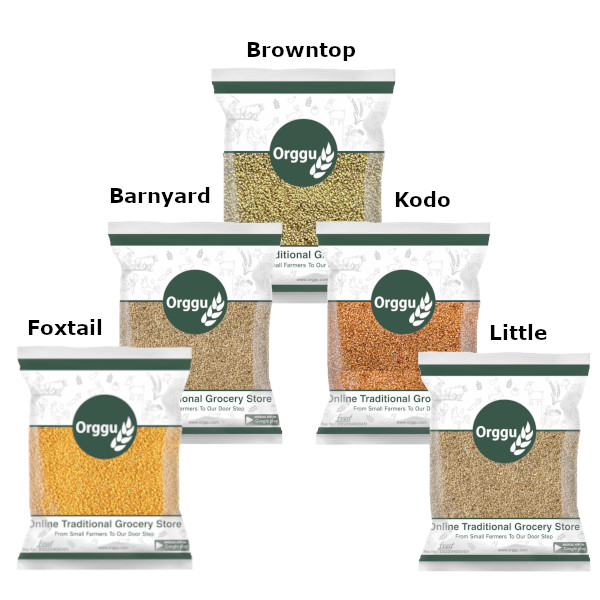
Myths vs Facts About Millet Polishing
There are many misconceptions about polished and unpolished millets. Tap each card to reveal whether it's a myth or fact:
Polished vs Unpolished Millets: Key Differences
Here's a side-by-side comparison that shows exactly what changes when millets are polished:
| Factor | Polished Millets | Unpolished Millets |
|---|---|---|
| Appearance | White, shiny, uniform | Natural colour (golden, brown, reddish), rough texture |
| Fibre Content | Very low (most fibre removed) | High (8-12g per 100g) |
| Glycemic Index | Higher (closer to white rice) | Low (41-55 range) |
| Vitamins & Minerals | Mostly lost (60-70% removed) | Fully intact (iron, calcium, magnesium, B vitamins) |
| Antioxidants | Significantly reduced | Rich in phenolic compounds and flavonoids |
| Cooking Time | Faster (no soaking needed) | Slightly longer (soak 4-6 hours for best results) |
| Shelf Life | Longer (12+ months) | Shorter (6-8 months, store in airtight containers) |
| Price | Cheaper | Slightly more expensive |
| Taste | Mild, bland | Earthy, nutty, wholesome flavour |
| Health Benefits | Minimal — similar to white rice | Complete — diabetic-friendly, heart-healthy, weight management |
The table makes it clear: polished millets are essentially stripped of everything that makes millets a superfood. If you're eating polished millets thinking they're healthier than rice, the difference is marginal at best. The real benefits of millets — low glycemic index, high fibre, rich minerals — all come from the bran and germ layers that polishing removes.
Why Unpolished Millets Are Healthier
The health benefits of millets are directly tied to the bran and germ layers that remain intact in unpolished grains. Here's what you preserve when you choose unpolished:
1. Dietary Fibre for Better Digestion and Blood Sugar Control: Unpolished millets contain 8-12g of dietary fibre per 100g — compared to just 0.4g in white rice. This fibre does three critical things: it slows down sugar absorption (keeping blood glucose stable), feeds beneficial gut bacteria (improving digestion), and keeps you feeling full longer (helping with weight management). When millets are polished, up to 70% of this fibre is lost, removing the very thing that makes millets diabetic-friendly.
2. Mineral Retention — Iron, Calcium, Magnesium: The bran layer of millets is rich in essential minerals. Unpolished little millet contains 9.3mg of iron per 100g (vs 0.8mg in white rice). Unpolished foxtail millet has 31mg of calcium per 100g. These minerals are concentrated in the outer layers — polishing removes them almost entirely. For people with iron deficiency or calcium needs (especially women and older adults), unpolished millets are a natural, affordable solution.
3. Antioxidants in the Bran Layer: The bran layer contains phenolic compounds, flavonoids, and tannins — powerful antioxidants that protect your cells from oxidative damage. These compounds have been linked to reduced risk of heart disease, cancer, and chronic inflammation. Polished millets lose most of these protective compounds.
4. B Vitamins for Energy and Immunity: The germ layer is rich in B1 (thiamine), B3 (niacin), and B6 — vitamins essential for energy metabolism, nerve function, and immune health. Polishing removes the germ, and these vitamins are lost permanently. Unlike rice, which is often fortified after polishing, polished millets are not typically fortified — so what's removed stays removed.
5. Dr Khadar Vali's Recommendation: Renowned millet scientist Dr Khadar Vali specifically recommends unpolished Siridhanya millets as "positive grains" for healing lifestyle diseases. He has repeatedly emphasised that polished millets lose their therapeutic properties and are no better than refined grains. His widely followed diet protocol is based entirely on unpolished millets and is used by many people as a supportive approach alongside conventional medical care.
Once you have seen the difference, shop genuinely unpolished millets online — every variety here is unpolished, never re-polished.
The 5 Siridhanya Unpolished Millets
Dr Khadar Vali identified 5 millets as Siridhanya — meaning "wealth of grains" — for their exceptional nutritional and healing properties. All 5 must be consumed unpolished to get their full benefits. Here they are:
1. Foxtail Millet (Navane) — ₹118/kg
Foxtail millet is the most popular Siridhanya millet and the easiest to switch to because it tastes closest to rice. It has a glycemic index of ~50, making it excellent for blood sugar management. Rich in iron (2.8mg), calcium (31mg), and 12.3g protein per 100g, it's a powerhouse disguised as a simple grain. When unpolished, its golden-yellow colour and slightly rough texture are clearly visible — a sign that the nutritious bran layer is intact.
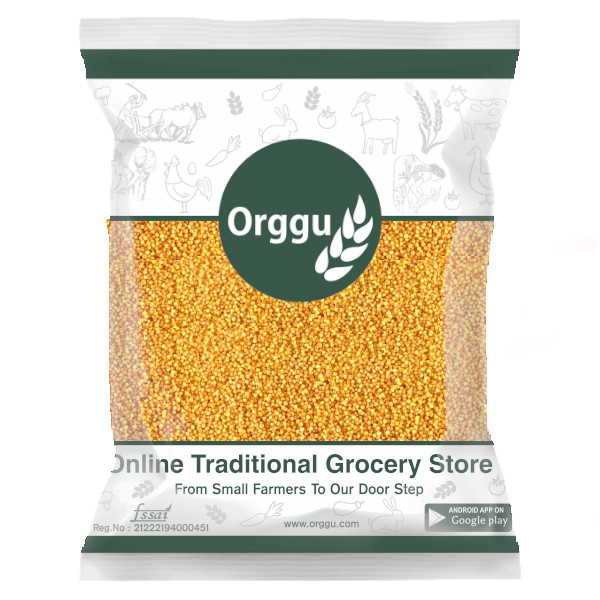
Learn more: Foxtail Millet (Navane): Benefits, Nutrition & Recipes
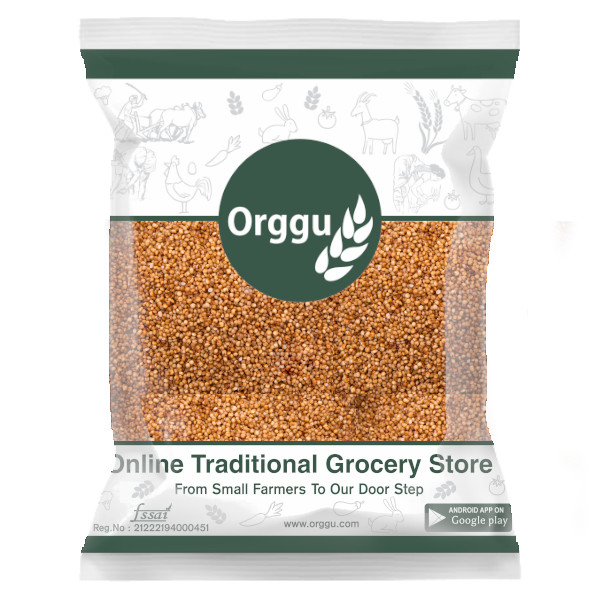
2. Kodo Millet (Harka) — ₹118/kg
Kodo millet stands out for its exceptionally high antioxidant and polyphenol content. With a glycemic index of ~55, it's firmly in the low-GI category. The unpolished grain has a distinctive dark brown to reddish colour — if the kodo millet you're buying is white, it has been polished and has lost much of its antioxidant power. Kodo millet is particularly beneficial for heart health and has a light, fluffy texture when cooked after proper soaking.
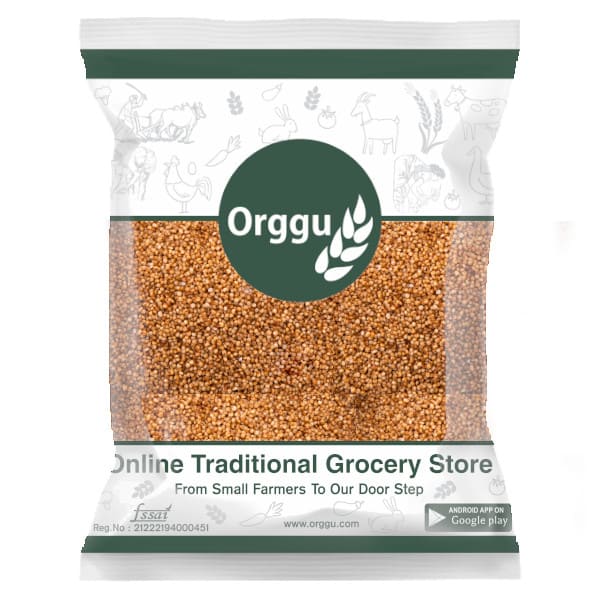
Learn more: Kodo Millet (Harka): Benefits, Nutrition & Recipes
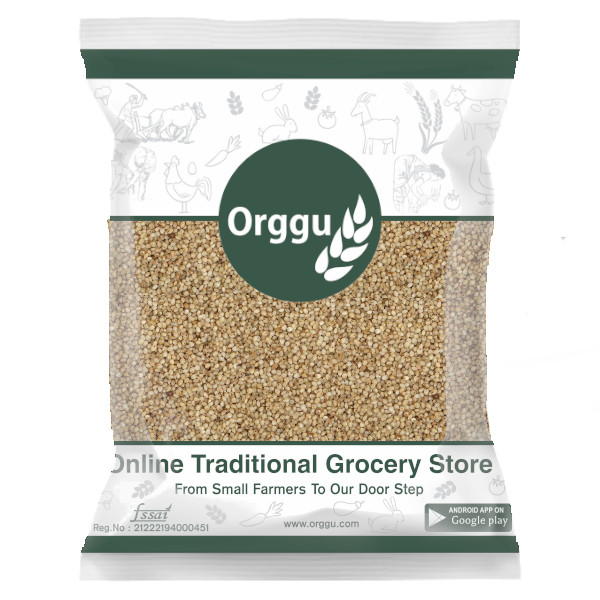
3. Barnyard Millet (Oodalu) — ₹128/kg
Barnyard millet has the lowest glycemic index (~41) of any Siridhanya millet, making it the absolute best choice for diabetics and anyone watching their blood sugar. It packs 10.1g of fibre per 100g — one of the highest among all grains. Unpolished barnyard millet has a light brown, slightly speckled appearance. It cooks to a soft, rice-like consistency and works beautifully in khichdi, pulao, and as plain rice replacement.
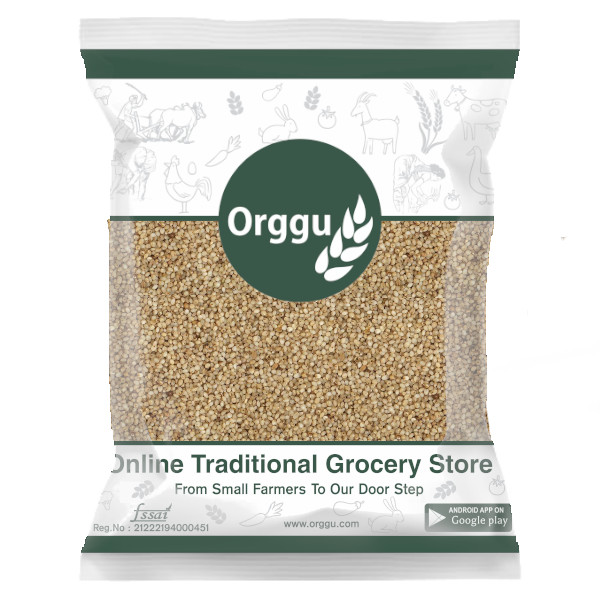
4. Little Millet (Saame) — ₹128/kg
Little millet is the most beginner-friendly of the Siridhanya millets — it cooks the fastest and requires the least soaking. But don't let its small size fool you: it contains 9.3mg of iron per 100g, the highest among all 5 Siridhanya millets. This makes it especially important for women, children, and anyone with iron-deficiency anaemia. Unpolished little millet has a greyish-brown colour with a visible bran coat. Its mild flavour makes it versatile for both savoury and sweet dishes.
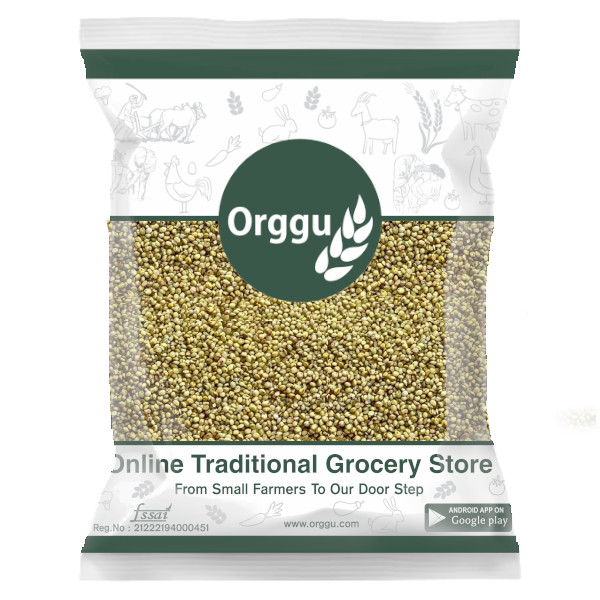
5. Browntop Millet (Korle) — ₹198/kg
Browntop millet is the rarest and most nutrient-dense of the Siridhanya millets. It has the highest protein (11.5g) and the highest fibre (12.5g) per 100g — making it a nutritional powerhouse. With a glycemic index of ~45, it's excellent for blood sugar control. Dr Khadar Vali considers browntop his top recommendation for gut healing and detoxification. Unpolished browntop millet has a distinctive brownish-red colour and a pleasantly nutty flavour. It's slightly more expensive because it's grown in limited quantities by small farmers.
How to Cook Unpolished Millets
The most common complaint about unpolished millets is that they're "harder to cook" than polished ones. But the truth is, they simply need one extra step — soaking. Once you build soaking into your routine (just like soaking rajma or chickpeas), cooking unpolished millets becomes effortless.
Here's the simple method that works for all 5 Siridhanya millets:
- Wash: Rinse the millet 2-3 times in water to remove any dust or debris.
- Soak: Soak in water for 4-6 hours. Overnight soaking is ideal — just put it in water before bed. Soaking softens the bran layer, improves digestibility, and reduces anti-nutrients like phytic acid.
- Drain & Rinse: Discard the soaking water and rinse with fresh water.
- Cook: Use a 1:2.5 millet-to-water ratio. Bring water to a boil, add the soaked millet, cover and cook on low flame for 15-20 minutes. Alternatively, pressure cook for 3-4 whistles.
- Rest & Fluff: Let it sit covered for 5 minutes after cooking, then fluff with a fork.
How to Identify Genuine Unpolished Millets
Unfortunately, many sellers label millets as "unpolished" when they are partially or fully polished. Here's how to tell the difference:
- Colour: Genuine unpolished millets are never white. They have natural colours — golden, brown, reddish, or greyish depending on the millet type. If a millet looks uniformly white and shiny, it has been polished.
- Texture: Run the grains between your fingers. Unpolished millets feel slightly rough due to the bran layer. Polished millets feel smooth and slippery.
- Bran Visibility: Look closely — you should be able to see the outer bran coat on each grain. It looks like a thin, coloured layer wrapping the grain. If the grain is bare and shiny underneath, the bran has been removed.
- Colour of Soaking Water: When you soak unpolished millets, the water turns slightly coloured (yellowish or brownish) from the natural pigments in the bran. Polished millets leave the water almost clear.
- Labels: Avoid millets labelled as "polished," "refined," or "pearl." Look for terms like "unpolished," "whole grain," or "with bran." Buy from trusted sellers who specifically mention their millets are unpolished.
At Orggu, every millet we sell is 100% unpolished and verified. We source directly from small farmers in Karnataka who follow traditional processing methods — sun-drying and hand-cleaning without any mechanical polishing.
Get All 5 Siridhanya Millets
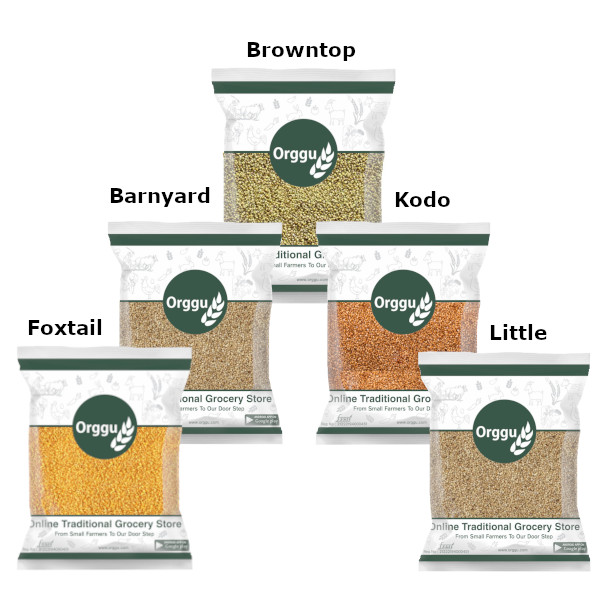
Want to try all 5 unpolished Siridhanya millets? Our Positive Millets Combo includes all five in one convenient pack — perfect for rotating between millets throughout the week as Dr Khadar Vali recommends:
Where to Buy Unpolished Millets in Bangalore
Finding genuinely unpolished millets can be challenging — many shops and online stores sell polished or semi-polished millets without clearly stating it. At Orggu, we specialise in 100% unpolished Siridhanya millets sourced directly from small farmers in Karnataka.
- Guaranteed Unpolished: Every millet is processed without mechanical polishing — bran and germ layers fully intact.
- Direct from Farmers: We work with small-scale farmers who grow millets using traditional, chemical-free methods.
- Free Delivery: Free delivery across Bangalore on all orders.
- Cash on Delivery: Pay when you receive your order — no online payment required.
- ₹100 OFF First Order: Get ₹100 off on your first order above ₹200.
Order online at orggu.com or call us at 8310921774.
📲 Share this article on WhatsApp🌱 Why Orggu Sells Only Unpolished Millets
🌾 Small Farmers (50+ across Karnataka) → 🧹 Hand-Cleaned (no machine polishing) → ⚙️ Sun-Dried (traditional method) → 📦 Fresh Packed (airtight, food-grade) → 🚚 Free Delivery (same week, to your door)
Shop the millets in this article
Frequently Asked Questions
Also read: Siridhanya Millets Benefits: Complete Guide | Foxtail Millet (Navane): Benefits & Recipes | Kodo Millet (Harka): Benefits & Recipes | Dr Khadar Vali Millet Diet Guide
Sources & References
- Indian Food Composition Tables (2017) — National Institute of Nutrition, Hyderabad
- USDA FoodData Central — U.S. Department of Agriculture
- Indian Journal of Medical Research — Glycemic Index Studies
