Millets for Weight Loss: How to Lose Weight Naturally with Millets

Certified organic food specialists · Sources: NIN Hyderabad, ICMR, USDA FoodData Central
📖 10 min read · In this article:
Weight management is one of the most common health goals today — and one of the hardest to sustain. Crash diets, extreme calorie restrictions, and expensive supplements might show results for a few weeks, but they rarely stick. The truth is, lasting weight loss doesn't come from deprivation. It comes from making smarter food choices every day.
One of the simplest and most effective changes you can make? Replace white rice with millets. Millets are ancient grains that are naturally high in fiber, lower in calories, and keep you feeling full for hours longer than polished rice. They don't require a special diet plan or imported health foods — just swap your daily rice with a millet, and you've already taken a significant step toward better health.
This isn't a diet — it's a lifestyle upgrade. Millets have been eaten in India for thousands of years. They're affordable, locally grown, and fit perfectly into the meals you already cook. Let's explore exactly how millets help with weight loss and which ones work best.
Myths vs Facts About Millets & Weight Loss
Before we get into the details, let's bust some common misconceptions about millets and weight loss. Tap each card to reveal whether it's a myth or fact:
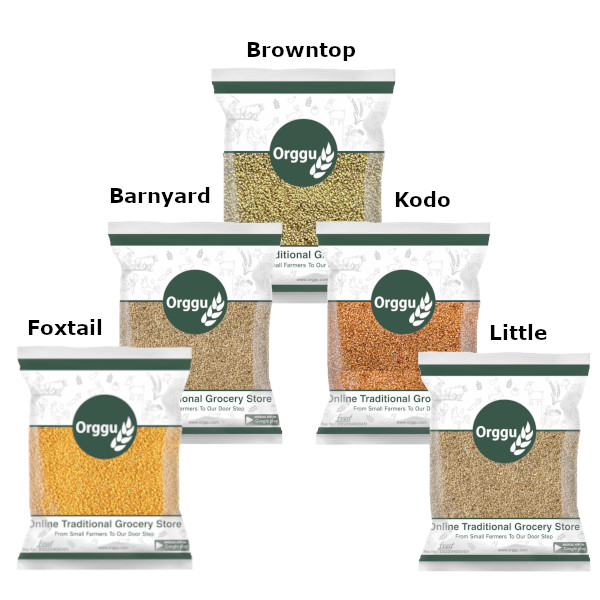
Shop the millets in this article
Why Millets Help with Weight Management
Millets aren't a magic weight loss food — but they have real nutritional advantages over white rice and refined grains that make weight management significantly easier:
High fiber keeps you full longer. Fiber slows down digestion, which means you feel satisfied for hours after a millet meal. When you're not hungry between meals, you naturally eat less. White rice has just 0.4g of fiber per 100g — millets have 7-12g. That's up to 30 times more fiber keeping your appetite in check.
Lower calorie density. Millets deliver fewer calories per serving than white rice. Barnyard millet, for example, has just 300 calories per 100g compared to rice's 365. Over weeks and months of daily meals, this calorie difference adds up significantly — without reducing your portion size at all.
Complex carbohydrates for steady energy. Unlike refined rice that causes rapid blood sugar spikes and crashes (which trigger cravings), millets release energy slowly and steadily. No sugar crashes means no sudden hunger pangs or cravings for sweets and snacks.
Higher protein preserves muscle. When losing weight, you want to lose fat — not muscle. Millets like foxtail (12.3g protein) and browntop (11.5g protein) provide substantially more protein than rice (6.8g), helping maintain lean muscle mass during weight loss.
Low glycemic index prevents fat storage. High-GI foods cause insulin spikes, which signal your body to store excess glucose as fat. Millets have a low GI (typically 50-60 compared to rice's 73), keeping insulin levels stable and your body in fat-burning mode rather than fat-storage mode.
Here's how the 5 Siridhanya millets compare to white rice:
| Grain (per 100g) | Calories | Fibre | Protein |
|---|---|---|---|
| White Rice | 365 | 0.4g | 6.8g |
| Barnyard Millet | 300 | 10.1g | 6.2g |
| Kodo Millet | 309 | 9g | 8.3g |
| Little Millet | 329 | 7.6g | 7.7g |
| Browntop Millet | 331 | 12.5g | 11.5g |
| Foxtail Millet | 351 | 8g | 12.3g |
Every single millet beats white rice on fiber and most beat it on protein — while delivering fewer calories. The choice is clear.
Best Millets for Weight Management — Ranked
Not all millets are equal when it comes to weight loss. Here are the 5 Siridhanya millets ranked by their fiber-to-calorie efficiency — the millets that give you the most fullness for the fewest calories:
1. Barnyard Millet — The Weight Loss Champion
Barnyard millet tops the list with the lowest calories (300 per 100g) and one of the highest fiber counts (10.1g) among all Siridhanya millets. That's 65 fewer calories than rice and 25 times more fiber. It's the single best grain you can eat for weight management. Barnyard millet also has a very low glycemic index, making it ideal for people managing both weight and blood sugar. Learn more in our detailed guide: Barnyard Millet (Oodalu): Complete Guide to Benefits & Nutrition.
Ready to start? Browse the best millets for weight loss — the high-fibre, low-calorie varieties that keep you full longer.
2. Browntop Millet — Highest Fiber & Protein
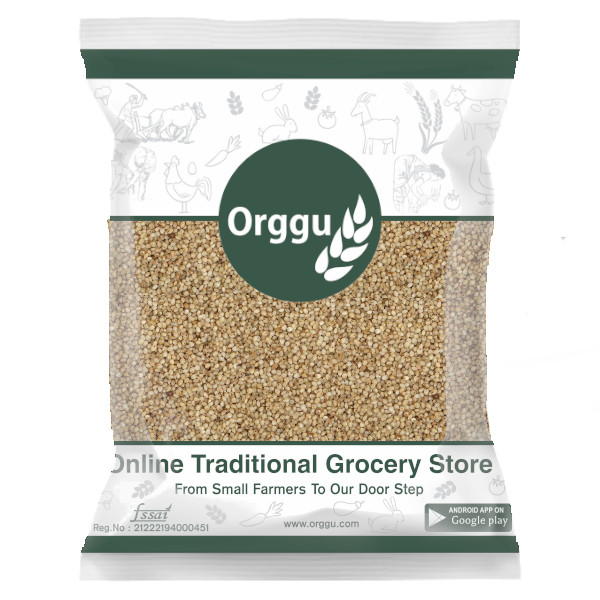
Browntop millet has the highest fiber (12.5g) and highest protein (11.5g) among all Siridhanya millets. While its calories (331) are slightly higher than barnyard, the exceptional fiber and protein content make it incredibly filling — you'll eat less naturally. Browntop is also the rarest of the 5 millets and is considered the most medicinal by Dr. Khadar Vali. Read more: Browntop Millet (Korle): Benefits, Nutrition & Recipes.
3. Kodo Millet — Balanced All-Rounder
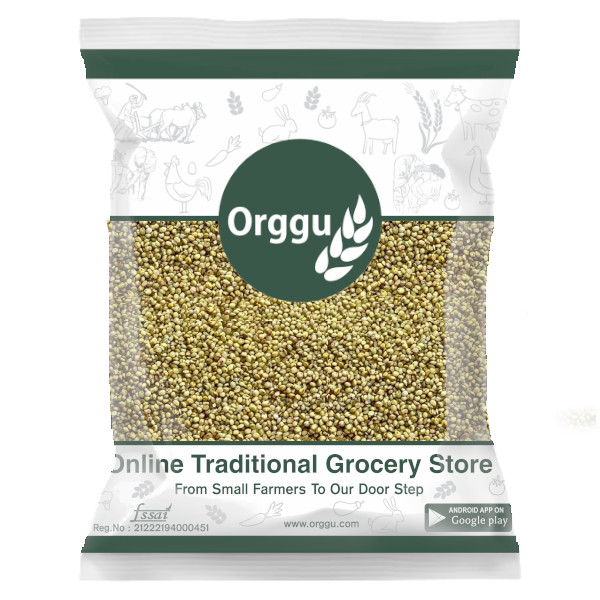
Kodo millet strikes a great balance — 309 calories, 9g fiber, and 8.3g protein per 100g. It's affordable, easy to cook, and has a mild earthy flavour that works well in rice dishes, khichdi, and upma. Kodo is particularly popular in Karnataka and Tamil Nadu and is an excellent everyday millet for weight-conscious families. Learn more: Kodo Millet (Harka): Complete Guide to Nutrition & Benefits.
4. Little Millet — Low Calorie & Versatile
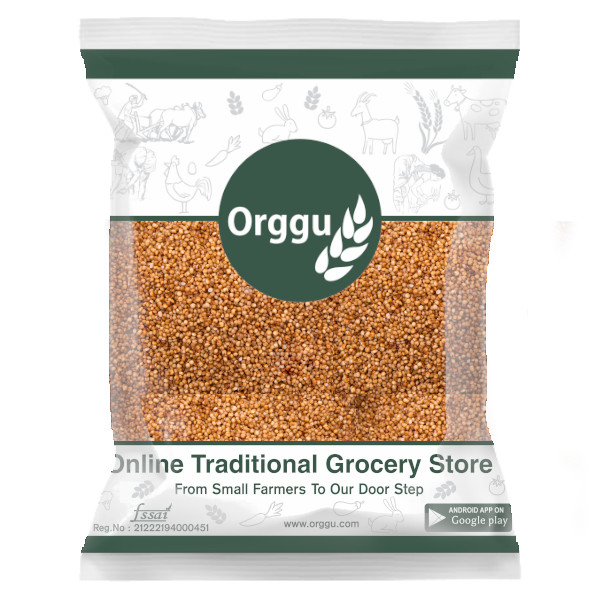
Little millet offers low calories (329) with good fiber (7.6g) and the highest iron content (9.3mg) among all Siridhanya millets. Its biggest advantage for weight loss? It has the mildest taste and closest texture to white rice, making it the easiest transition for rice lovers. Your family won't even notice the switch. Read more: Little Millet (Saame): The Best Rice Substitute for Weight Loss.
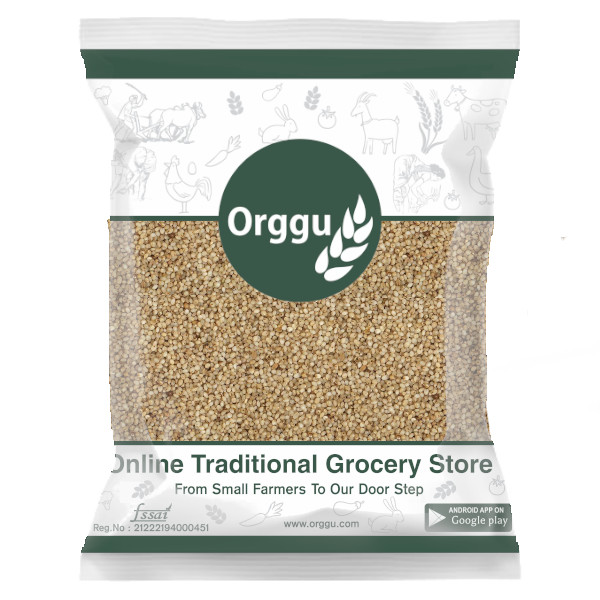
5. Foxtail Millet — Highest Protein, Keeps You Full
Foxtail millet has the highest protein (12.3g per 100g) among the Siridhanya millets and 8g of fiber. While its calories (351) are the closest to rice, the exceptional protein content means it keeps you feeling full and satisfied for longer. Protein also helps preserve muscle mass during weight loss, ensuring you lose fat — not muscle. Read more: Foxtail Millet (Navane): Benefits, Nutrition & Recipes.
Simple Millet Meal Plan for Weight Loss
You don't need a complicated diet plan to lose weight with millets. Simply replace your regular rice and refined grains with millets at each meal. Here's a sample daily plan:
Breakfast: Foxtail Millet Upma or Little Millet Pongal
Start your day with a fiber-rich, protein-packed breakfast that keeps you energized until lunch. Foxtail millet upma with vegetables provides sustained energy without the mid-morning slump. Or make little millet pongal with moong dal — creamy, comforting, and loaded with nutrition. Both cook in under 20 minutes.
Lunch: Barnyard Millet Rice + Dal + Vegetables
Replace your afternoon rice with barnyard millet rice — the lowest calorie millet. Pair it with dal for protein and a generous serving of vegetables. The high fiber content (10.1g) will keep you full right through the afternoon, eliminating the need for unhealthy evening snacks. This single swap can save you 65+ calories per meal.
Snack: Kodo Millet Khichdi or Millet Dosa
If you need an evening snack, make a light kodo millet khichdi with vegetables, or prepare millet dosa batter the night before for a quick, healthy snack. Both options are far better than biscuits, chips, or fried snacks — they provide real nutrition and sustained energy.
Dinner: Browntop Millet Rice + Light Curry
End your day with browntop millet rice and a light vegetable curry or rasam. Browntop's high fiber (12.5g) and protein (11.5g) ensure you stay satisfied through the night without overeating. Keep dinner portions moderate and eat at least 2 hours before bedtime.
Millets vs Popular Diet Foods
Many people trying to lose weight reach for expensive imported "health foods" like oats, quinoa, and granola. But how do millets actually compare?
Millets vs Oats: Oats have similar fiber but millets offer more variety and fit naturally into Indian meals. You can't make sambar rice or khichdi with oats — but you can with millets. Millets are also significantly cheaper than branded oats products.
Millets vs Quinoa: Quinoa is marketed as a superfood, but it costs ₹400-600 per kg — 3-5 times more than millets. Nutritionally, millets are comparable or better in fiber content. Quinoa is imported; millets are grown locally by Indian farmers.
Millets vs Brown Rice: Brown rice is better than white rice, but millets still win. Barnyard millet has 10.1g fiber vs brown rice's 3.5g — that's 3 times more fiber. Millets also have a lower glycemic index than brown rice.
Millets vs Wheat: Whole wheat has decent nutrition, but it contains gluten — which many people are sensitive to. Millets are naturally gluten-free, easier to digest, and higher in fiber than wheat flour.
The bottom line? Millets are more affordable, locally grown, higher in fiber, and naturally Indian. They fit into your regular meals without changing your cooking style. No need for expensive imported health foods when the best option has been growing in Indian soil for thousands of years.
Get Started with Millets Today
Not sure which millet to begin with? Our Positive Millets Combo is the perfect starter pack — it includes all 5 Siridhanya millets so you can try each one and discover your favourites. Many customers find they love barnyard millet in rice dishes, foxtail millet for upma, and little millet for pongal.
All our millets are 100% unpolished, which means they retain their complete bran layer with all the fiber, vitamins, and minerals intact. Polished millets lose 60-70% of their nutrition — essentially becoming no better than white rice. When buying millets for weight loss, always choose unpolished.
We offer free delivery across Bangalore and ₹100 OFF on your first order above ₹200. Start your millet journey today — your body will thank you.
🌱 Why Choose Orggu Millets for Weight Loss?
🌾 Small Farmers (50+ across Karnataka) → 🧹 Hand-Cleaned (no machine polishing) → 🌾 100% Unpolished (full fibre bran intact) → 📦 Fresh Packed (airtight, food-grade) → 🚚 Free Delivery (same week, to your door)
Shop the millets in this article
Frequently Asked Questions
Also read: Millets for Diabetes: How Millets Help Control Blood Sugar | What Are Siridhanya Millets? Complete Guide to the 5 Miracle Grains
