Millet Flakes (Millet Poha): Types, Uses and Recipes

Sources: NIN Hyderabad, ICMR, USDA FoodData Central
Millet flakes, often sold as millet poha, are flakes of millet that you cook the way you cook rice poha. This guide explains what they are, the types you can buy, what poha is called across India, and how to cook them, with six everyday recipes. To buy them, see our millet flakes online page.
What are millet flakes?
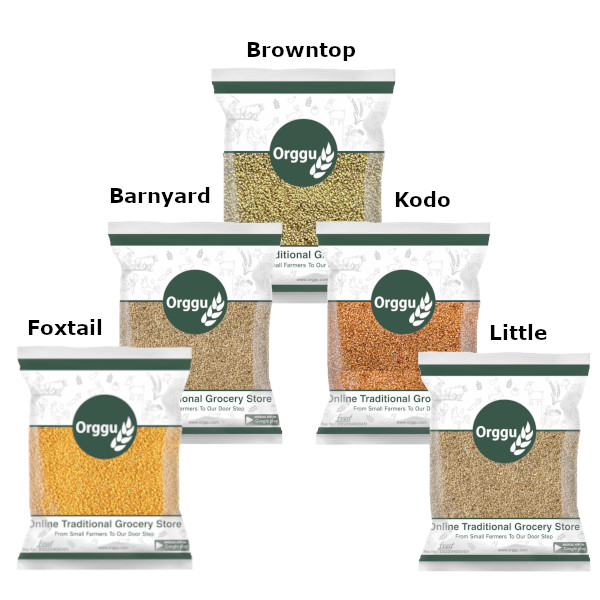
Millet flakes are thin, dry flakes of a millet grain. They are used exactly like rice poha: rinsed until soft and then cooked in a few minutes as poha, upma or a sweet dish. The name changes with the grain, so there are foxtail millet flakes, ragi flakes, jowar flakes and so on. Shops also sell flakes of pulses, red and black rice, and barley next to them, because they are cooked the same way.
What is poha made from? Traditional poha is rice. Molesworth’s Marathi dictionary defines pohe as rice flattened after hot water is poured over it, dried over the fire and pressed in a mortar. Millet flakes are the same kind of food made from millet instead of rice.
Shop this article


Delivered across India · Free delivery in Bangalore above ₹350 · 3-day returns
Poha, aval, atukulu: names across India
Rice flakes have a name in almost every Indian language, and millet flakes borrow them: you will see “millet poha”, “millet aval” and “millet atukulu” for the same thing.
| Language | Word for rice flakes | Source |
|---|---|---|
| Marathi | pohe / poha (पोहे) | Molesworth, Marathi-English Dictionary |
| Hindi | chiura, chirva (चिउड़ा, चिड़वा); poha is also used | McGregor, Oxford Hindi-English Dictionary |
| Tamil | aval (அவல்) | Tamil Lexicon, University of Madras |
| Malayalam | aval, avil | Gundert, Malayalam-English Dictionary |
| Telugu | atukulu (అటుకులు) | Brown, Telugu-English Dictionary |
| Kannada | avalakki (ಅವಲಕ್ಕಿ) | V. Krishna, Kannada-English Dictionary |
So atukulu in Hindi is chiura or chirva, and in everyday speech, poha. Add the millet’s name in front for millet flakes: in Tamil, foxtail millet is thinai, so foxtail millet flakes are thinai aval; little millet is samai (samai aval) and kodo millet is varagu (varagu aval). For each millet’s name in other languages, see our millet names in Indian languages.
The dictionaries are read on Digital Dictionaries of South Asia (University of Chicago) and alar.ink; millet names from the Multilingual Multiscript Plant Name Database (University of Melbourne).
Types of millet flakes
These are the flakes most often sold in India, all of which we sell:
| Flakes | Also called | Taste and use |
|---|---|---|
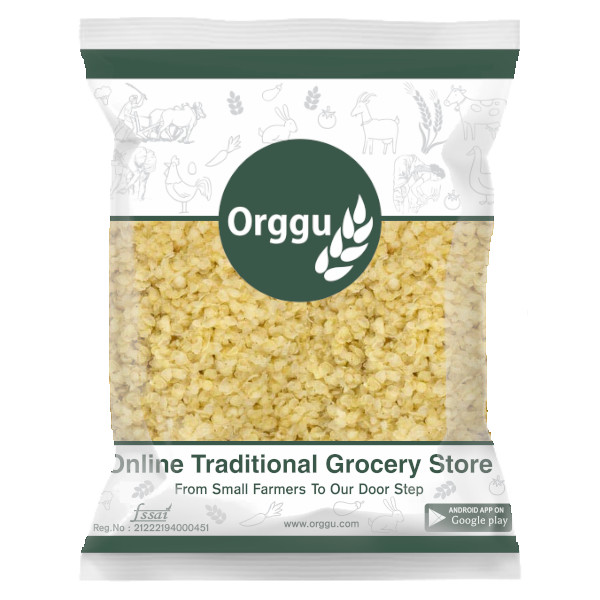
| Foxtail millet flakes | thinai aval | Mild and pale; poha, upma, sweet poha |
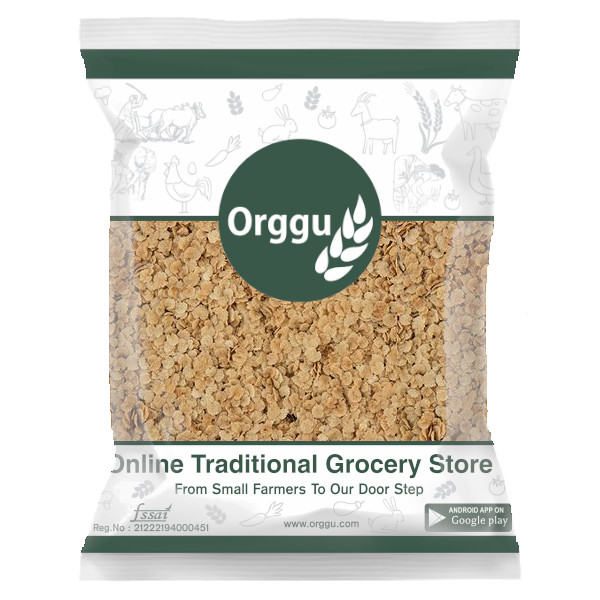
| Little millet flakes | samai aval, kutki | Mild, a little sweet; light poha, kheer |
| Barnyard millet flakes | sanwa, sama | Soft and pale; porridge, kheer, fasting days |
| Kodo millet flakes | varagu aval, kodra | Darker, more bite; savoury poha |
| Bajra flakes | pearl millet flakes | Strong and nutty; spicy poha |
| Jowar flakes | sorghum flakes | Mild; poha, upma, snack mixes |
| Ragi flakes | finger millet flakes, nachni | Earthy, dark; milk porridge |
| Green gram flakes | moong flakes | A pulse; quick upma, chaat |
| Horse gram flakes | kulthi, kollu aval | A pulse; savoury porridge, soups |
| Red rice flakes | red poha, red aval | Rice poha with colour; sweet aval |
| Barley flakes | jau flakes | Porridge, upma; contains gluten |
Black rice flakes are out of stock for now and will be back.
Millet flakes or rice poha?
In the kitchen, they behave alike: rinse, drain, temper and cook for a few minutes. The difference is the grain. Millet flakes bring the taste of the millet: foxtail and little millet are close to rice; ragi, kodo and bajra are earthier and darker. If your family is new to millets, mixing half rice poha and half millet flakes is an easy way to start.
Are millet flakes good for you?
Many people ask about the benefits of millet flakes or atukulu. Whether any food suits you depends on your health and your diet as a whole, so we do not make health claims for our flakes. If you have a health condition, ask your doctor or a dietitian how millets fit into your diet.
What we can tell you about ours: the millet, rice and barley flakes are made from unpolished grain, and the green gram and horse gram flakes from whole, unpolished pulses. No pesticides or chemicals are used. Millets contain no gluten by nature, but our flakes are not tested for gluten, and barley flakes contain gluten.
How to cook millet flakes
- Rinse, do not soak. Put the flakes in a sieve, rinse them quickly under running water and let them drain for a few minutes.
- Check the texture. They should be soft but separate. If they still feel hard, sprinkle a little water and wait a minute or two; darker flakes can need a little longer.
- Cook briefly. Add them to a hot tempering and cook covered on low heat for two or three minutes. Long cooking makes them mushy.
- Barley flakes are the exception: they are usually simmered in milk or water until soft, like a porridge.
Six everyday millet-flake recipes
1. Millet poha
Heat a spoon of oil; add mustard seeds, curry leaves, green chilli and sliced onion, then a pinch of turmeric and salt. Toss in the drained flakes, cover and cook on low heat for two or three minutes. Finish with lemon juice and coriander. Peanuts and a pinch of sugar make it Maharashtrian-style.
2. Vegetable upma with flakes
Cook chopped carrot, beans and peas in a mustard-seed and urad-dal tempering, add the drained flakes and a splash of water, and cover for a few minutes. Kodo, jowar and green gram flakes hold their shape well here.
3. Sweet aval
Mix softened flakes with grated coconut, jaggery powder and a pinch of cardamom. No cooking needed beyond softening. Red rice and foxtail flakes are good choices.
4. Flakes kheer or milk porridge
Simmer the flakes in milk until creamy, sweeten with jaggery, and finish with cashews fried in ghee. Ragi, little millet and barnyard flakes suit this best.
5. Curd flakes
Mix softened flakes with curd and salt, then pour over a tempering of mustard seeds, curry leaves and green chilli. A cool lunchbox dish.
6. Snack mix
Toss dry flakes (not rinsed) in a pan with a little oil, curry leaves, peanuts, a pinch of chilli and salt until crisp, the way chivda is made at home. For a puffed snack instead, see our millet puffs.
Buying and storing millet flakes
Look for flakes made from a single grain with nothing else on the ingredient list. Keep them in an airtight container in a cool, dry place, use a dry spoon, and use them within about three months. Ours come in a plastic pouch; once it is open, seal it tightly or move the flakes to a jar.
All eleven of our flakes are on one page: buy millet flakes online. For other forms of the same millets, see millet rava, millet flour and unpolished millets.
Shop this article
Delivered across India · Free delivery in Bangalore above ₹350 · 3-day returns
Frequently Asked Questions
Are millet flakes the same as poha?
They are used the same way. Poha is the Marathi word for rice flakes; millet flakes are flakes of a millet instead of rice, so they go into the same poha, upma and sweet dishes, with a different grain on the plate.
What is atukulu called in Hindi?
Atukulu (అటుకులు) is the Telugu word for rice flakes. In Hindi the old word is chiura or chirva (चिउड़ा, चिड़वा), and poha (पोहा), the Marathi word, is now used across India.
What is poha made from?
Traditional poha is made from rice. Flakes of other grains are sold too: millets such as foxtail, little millet and ragi, pulses such as green gram and horse gram, red and black rice, and barley.
Do millet flakes contain gluten?
Millets contain no gluten by nature, but a pack can pick up traces where grains are handled together, and ours are not tested for gluten. Barley flakes do contain gluten. With coeliac disease, ask your doctor which products are safe for you.
Do I need to soak millet flakes?
No. Rinse them quickly in a sieve and let them drain for a few minutes until soft. Soaking makes them mushy. If they still feel hard, sprinkle a little more water and wait.
Which millet flakes should I try first?
Foxtail or little millet flakes. They are the mildest and closest to rice poha, so your usual recipe works with almost no change.
Are millet flakes good for you?
That depends on your health and your diet as a whole, so we do not make health claims for them. If you have a health condition, ask your doctor or a dietitian how millets fit your diet.
This article is for general cooking information. If you have a health condition or specific dietary needs, please ask a doctor or registered dietitian.