
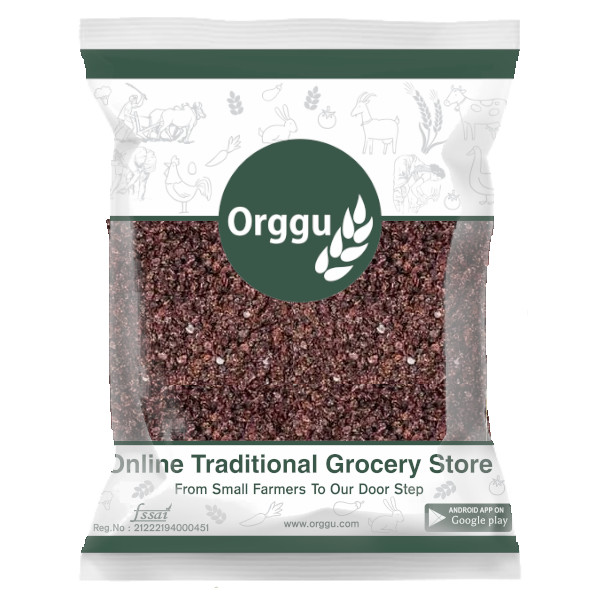
Ragi Flakes (Finger Millet Flakes)
What customers say on Google
Customer reviews

Frequently Bought Together
Complete your kitchen — pair this with what other Orggu customers buy
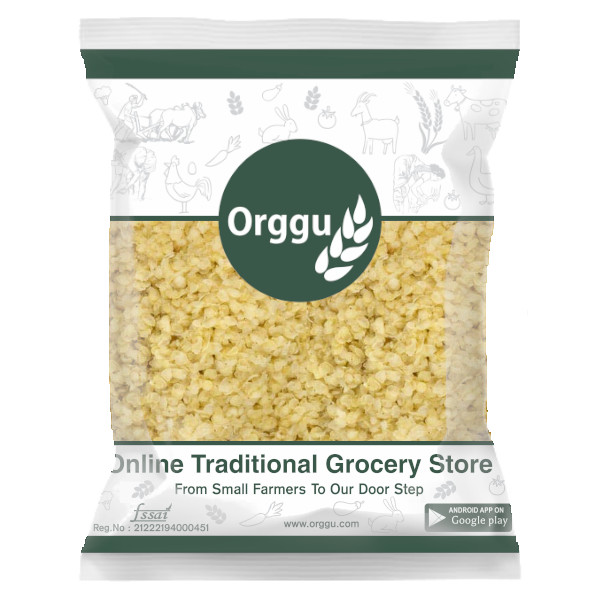


- FSSAI Lic. No. 21224194003133
- Made from unpolished finger millet
- No pesticides or chemicals used
- Free delivery in Bangalore · Ships across India in 2–10 business days (charges at checkout)
- Cash on delivery in Bangalore; prepaid elsewhere in India
- Refund or replacement for damaged or wrong items
Compare and shop: Millet Flakes · Millet flakes (millet poha) guide
Which flakes should I buy?
| Ragi (finger millet) flakes (this page) | Bajra (pearl millet) flakes | |
|---|---|---|
| What it is | Made from unpolished finger millet | Made from unpolished pearl millet |
| Packs | 250 g — ₹49 500 g — ₹98 | 250 g — ₹59 500 g — ₹99 1 kg — ₹195 |
| Lowest price per 100 g | ₹20 | ₹20 |
| Choose it for | Milk porridge, ragi poha | Hearty poha, savoury porridge |
Today’s prices from our catalogue.
Ragi flakes
These flakes are made from unpolished finger millet, the grain best known as ragi. It is nachni or nagli in Marathi, mandua in Hindi, kezhvaragu in Tamil and ragulu in Telugu. Ragi flakes are a deep reddish-brown, with the earthy taste ragi is known for. No pesticides or chemicals used.
Poha is the Marathi word for rice flakes; in Tamil they are aval, in Telugu atukulu, in Kannada avalakki and in Hindi chiura. Ragi flakes are used in the same way, and many families also cook them as a milk porridge.
How to cook ragi flakes
Flakes need no long cooking. Put them in a sieve, rinse them quickly under running water and let them drain for a few minutes until they soften. Rinse briefly: soaked too long, flakes turn mushy. If they still feel hard after draining, sprinkle a little more water and wait a minute or two.
- Ragi porridge — Simmer the flakes in milk or water, stirring, until soft, then sweeten with jaggery and add a pinch of cardamom. This is the most common way families use ragi flakes.
- Ragi poha — Heat a spoon of oil, add mustard seeds, curry leaves, green chilli and sliced onion, then a pinch of turmeric and salt. Toss in the drained flakes, cover and cook on low heat for two or three minutes. Finish with lemon juice and chopped coriander.
- Sweet ragi flakes — softened flakes with grated coconut, jaggery and a few chopped almonds.
- With buttermilk — softened flakes in buttermilk with salt and a curry-leaf tempering.
Ragi or bajra flakes?
Ragi flakes are darker and earthier and are the usual choice for a porridge. Bajra flakes are greyish and stronger in taste, better in savoury poha. The table on this page compares their packs and today’s price per 100 g.
For ragi as flour, see our ragi flour.
Storing them
Keep the flakes in an airtight container in a cool, dry place and use a dry spoon. Use them within about three months of buying. They come in a plastic pouch; once it is open, seal it tightly or move the flakes to a jar.
Gluten
Millets contain no gluten by nature. These flakes have not been tested for gluten, so we cannot promise a pack is free of traces; if you have coeliac disease, ask your doctor which products are safe for you. We sell them as a plain everyday food and make no health claims for them.
Compare all our millet flakes, or read our millet flakes guide for every type and more recipes.