Best Dry Fruits to Eat Daily: 7 Picks & How Much Per Day

Sources: NIN Hyderabad, ICMR, USDA FoodData Central
“Dry fruits” in India covers two different foods: nuts — almonds, cashews, walnuts, pista — and dried fruits — dates, figs, raisins. They are eaten the same way, a few at a time, soaked or straight from the jar, but they are not alike: nuts are mostly fat and protein, dried fruits mostly the fruit’s own sugar. This guide goes through the seven most eaten, how much to eat, soaked or raw, and how to store them.
📖 In this guide:
How Many Dry Fruits to Eat Per Day
The ICMR-NIN Dietary Guidelines for Indians (2024) put nuts and oilseeds in one group and suggest about 35 g a day for an adult on a 2,000 kcal diet. That figure is for all nuts and seeds together, so 35 g of almonds, cashews and walnuts combined — not 35 g of each. In everyday terms it is a small handful.
Dried fruits are not in that group, and we have not found a verified daily amount for them, so we do not give one. What is clear from the numbers is that they are sweet: USDA lists about 65.2 g of sugars per 100 g of dark raisins and about 47.9 g per 100 g of dried figs (USDA FoodData Central, FDC 168165; USDA FoodData Central, FDC 174665). A few pieces at a time is the sensible habit. Needs vary; check with your doctor or a dietitian, especially if you have diabetes, are pregnant or breastfeeding, or have a nut allergy.
Shop this article
Delivered across India · Free delivery in Bangalore above ₹289 · 3-day returns
Shop all dry fruits →Why People Eat Dry Fruits Daily
Mostly habit and convenience. A few soaked almonds in the morning, raisins in kheer, cashews in a gravy, anjeer in a milkshake — dry fruits keep for months, need no cooking and go into both sweet and savoury food. Nuts are also dense: most are 550–650 kcal per 100 g, which is why a small amount is enough. We make no health claims for any dry fruit; the sections below stick to what each one is, what USDA lists for it, and how it is used.
The 7 Most Eaten Dry Fruits
1. Almonds (Badam)
The most eaten nut in Indian homes, often soaked overnight and peeled. Per 100 g, USDA lists 21.2 g of protein, 12.5 g of fibre, 269 mg of calcium and 25.6 mg of vitamin E (USDA FoodData Central, FDC 170567). Used in badam milk, halwa and thandai, or eaten as they are.

Almonds (Badam)
See the product →2. Walnuts (Akhrot)
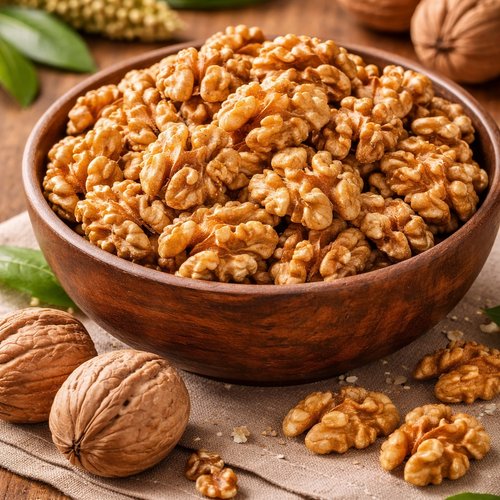
Soft, slightly bitter nuts with the most fat of the group: 65.2 g per 100 g and 654 kcal (USDA FoodData Central, FDC 170187). Good for snacking, in brownies and cakes, and over salads.
Walnuts (Akhrot)
See the product →3. Cashew Nuts (Kaju)
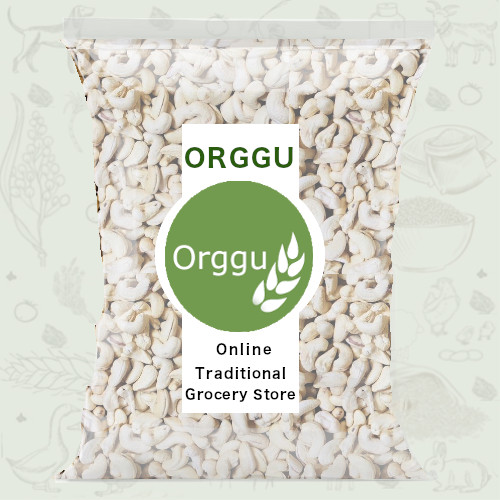
Sweet, creamy nuts used across Indian cooking: ground into gravies, fried in ghee for payasam and pulao, and in kaju katli. Per 100 g of raw cashews, USDA lists 18.2 g of protein and 6.7 mg of iron (USDA FoodData Central, FDC 170162).
Cashew Nuts (Kaju)
See the product →Eating nuts the traditional way: see eat local, eat seasonal
4. Dates (Khajur)
The sweetest of the group, eaten on their own, in date-and-nut laddus and in chutneys, and traditionally to break a fast. USDA lists dates by variety, and we do not know the variety of each lot, so we give no figure here. Our dates are being restocked; until then, dried figs do a similar job in laddus and milkshakes.

Dates (Khajur)
See the product →5. Dried Figs (Anjeer)
Chewy, seedy and naturally sweet — athipazham in Tamil. Usually soaked overnight, or blended into milkshakes and barfi. Per 100 g, USDA lists 9.8 g of fibre and 162 mg of calcium, alongside 47.9 g of sugars (USDA FoodData Central, FDC 174665).
Dried Figs (Anjeer)
See the product →6. Black Raisins (Kali Kishmish)
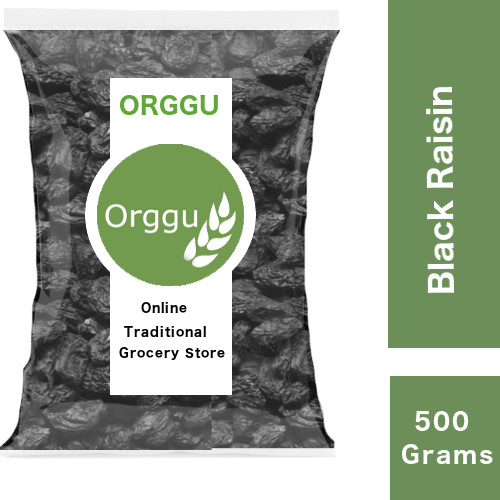
Small, dark and sweet; many families soak a few overnight and eat them in the morning, and they go into kheer, pulao and laddus. Per 100 g of dark raisins, USDA lists 1.8 mg of iron and 65.2 g of sugars (USDA FoodData Central, FDC 168165). If you are looking for iron, talk to your doctor rather than relying on any one food.
Black Raisins
See the product →7. Pistachios (Pista)
Green, mild and slightly sweet, used in kulfi, kheer, sweets and as a garnish on biryani. Per 100 g of raw pistachios, USDA lists 20.2 g of protein and 10.6 g of fibre (USDA FoodData Central, FDC 170184).
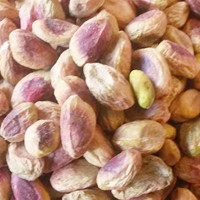
Pistachios (Pista)
See the product →Also on the dry fruits list: dried kiwi (tangy, for snacking), badam pisin (almond gum — soak overnight for rose milk and falooda), dried apricots, groundnuts and seeds such as pumpkin, sunflower and flax.
Dry Fruits Chart: Nutrition per 100 g
From USDA FoodData Central (SR Legacy). These describe each food in general, not a lab test of any brand’s packs.
| Per 100 g | kcal | Protein (g) | Fat (g) | Fibre (g) | Sugars (g) | Calcium (mg) | Iron (mg) |
|---|---|---|---|---|---|---|---|
| Almonds | 579 | 21.2 | 49.9 | 12.5 | 4.4 | 269 | 3.7 |
| Walnuts | 654 | 15.2 | 65.2 | 6.7 | 2.6 | 98 | 2.9 |
| Cashews, raw | 553 | 18.2 | 43.9 | 3.3 | 5.9 | 37 | 6.7 |
| Pistachios, raw | 560 | 20.2 | 45.3 | 10.6 | 7.7 | 105 | 3.9 |
| Figs, dried | 249 | 3.3 | 0.9 | 9.8 | 47.9 | 162 | 2 |
| Raisins, dark | 299 | 3.3 | 0.3 | 4.5 | 65.2 | 62 | 1.8 |
Two things stand out: nuts carry most of their energy as fat, and dried fruits as sugar. Neither is a reason to avoid them — it is the reason the amounts are small. People also search for dry fruits with vitamin C or vitamin D: USDA lists no vitamin D in any of these six and between 0 and 6 mg of vitamin C per 100 g, so dry fruits are not where either comes from.
When to Eat Dry Fruits
There is no proven best time, so choose one that suits your day:
| When | What people usually eat |
|---|---|
| Morning | Soaked almonds, black raisins or anjeer |
| Snack | A small mixed handful of nuts |
| In cooking | Cashews in gravies and pulao; raisins and cashews fried in ghee for payasam |
| Drinks | Badam milk, thandai, anjeer milkshake |
Soaked vs Raw — Which Is Better?
It is mostly a matter of texture. Soaking overnight softens almonds (and lets the skins slip off), plumps raisins, and makes figs easy to blend. Cashews, pista and walnuts are usually eaten as they are. If you soak, use clean water, drain it and eat them the same day. The one dry fruit that must always be soaked is badam pisin, a hard gum that swells into a jelly.
How to Store Dry Fruits
Keep them airtight, in a cool, dry place, away from the stove and sunlight, and use a dry spoon. Nuts hold oil and can go stale — a bitter or paint-like smell means they are past their best — and dried fruits turn sticky in humid weather. Buy what you will finish in a few months, and in the monsoon keep only a small jar out at a time.
🌰 About Orggu dry fruits
Our almonds, cashews, pistachios, walnuts, anjeer, black raisins, dried kiwi and badam pisin have no added sugar and no preservatives. We do not label them by origin or grade, because we do not know it for every lot.
Shop this article
Delivered across India · Free delivery in Bangalore above ₹289 · 3-day returns
Shop all dry fruits →Frequently Asked Questions
Also read: How Much Seeds to Eat Daily | Millets for Gut Health | Cold Pressed Oil Benefits



Stock your daily dry-fruit jar
Almonds · Cashews · Walnuts · Pistachios · Black Raisins
No added sugar, no preservatives. Delivered across India.
Browse the full Dry Fruits collection.
