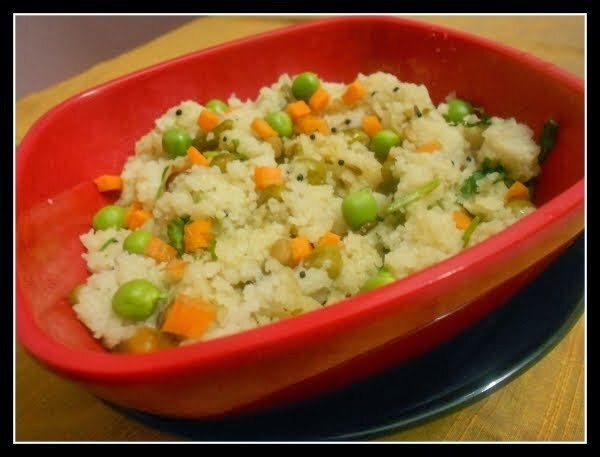
Millet Pongal Recipe: Traditional Ven Pongal Made with Foxtail or Kodo Millet

Certified organic food specialists · Sources: NIN Hyderabad, ICMR, USDA FoodData Central
Millet Pongal Recipe: Traditional Ven Pongal Made with Foxtail or Kodo Millet
Pongal is a South Indian breakfast that needs no introduction — creamy, peppery, drenched in ghee. But the traditional rice-and-dal version has a glycemic index of about 73. Swap in unpolished millet or millet rava and you get the same comforting bowl with a GI of 48–50 instead — and it cooks in the same 20 minutes.
Use a good ghee for that finishing spoon — see desi cow ghee: benefits, uses & how it’s made.
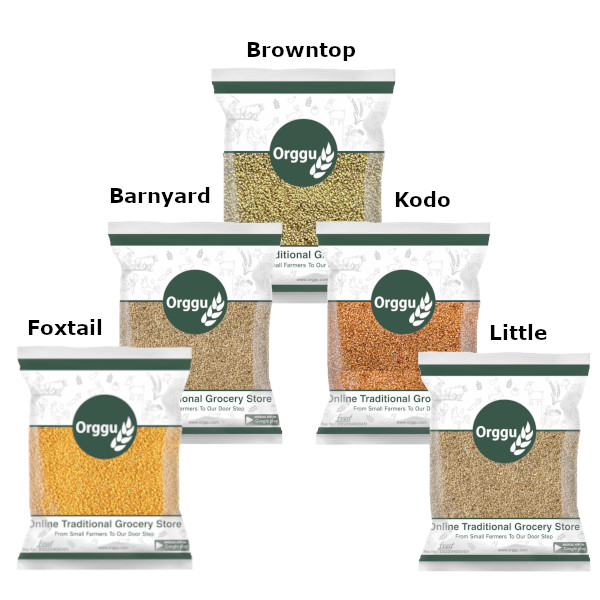
This recipe works for anyone managing blood sugar, watching their weight, or simply eating cleaner without giving up the food they grew up on. You can use Foxtail Millet Unpolished or Kodo Millet Unpolished (whole grain, nuttier texture, longer cook time) or go with Foxtail Millet Rava or Kodo Millet Rava (creamier, faster cooking) — all are unpolished and stone-milled.


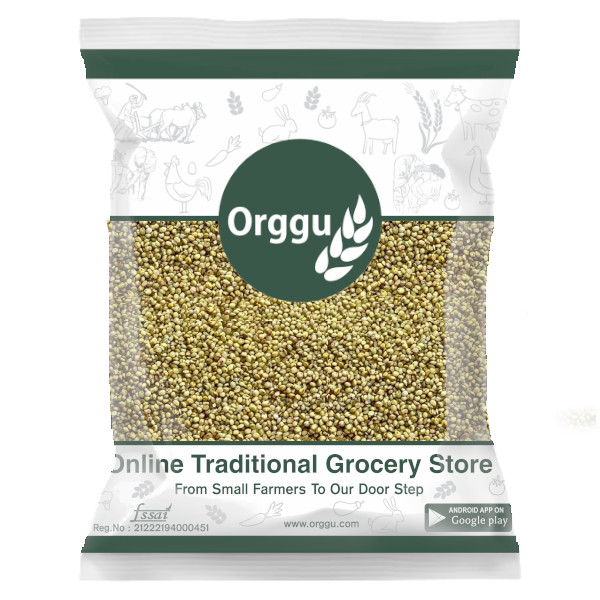
Foxtail Millet Unpolished (Navane)
Whole grain, nuttier pongal. Cook 30–35 min. ₹118/kg
Buy Whole Millet →
Kodo Millet Unpolished (Harka)
Whole grain, earthy flavour. Cook 30–35 min. ₹118/kg
Buy Whole Millet →📖 20 min recipe · In this article:
What Is Millet Pongal?
Ven pongal (savoury pongal) is a staple breakfast across Tamil Nadu, Karnataka and Andhra Pradesh. The word "pongal" means "boiling over" — traditionally it is cooked until the pot overflows, signifying abundance. In temples, pongal is offered as prasadam made with rice, moong dal, ghee, black pepper and cumin.
Millet pongal follows the exact same method but replaces rice with unpolished millet or millet rava. Using rava (coarsely ground millet) gives a creamier texture similar to broken rice, while whole unpolished millets give a nuttier, more textured pongal. Either way, the result is dramatically different in nutrition.
| Parameter | Rice Pongal | Foxtail Millet Pongal | Kodo Millet Pongal |
|---|---|---|---|
| Glycemic Index | ~73 (high) | ~50 (low) | ~48 (low) |
| Fibre per serving | 0.8g | 4.2g | 5.1g |
| Protein per serving | 6g | 9g | 8.5g |
| Calories per serving | 280 | 245 | 238 |
You can use Foxtail Millet Rava or Kodo Millet Rava for a smooth, creamy pongal in 20 minutes, or use Foxtail Millet Unpolished or Kodo Millet Unpolished for a more textured, whole-grain pongal (cook time increases to 30–35 minutes).
Shop the millets in this article
Ingredients
🍚 Millet Ven Pongal
- 1 cup Foxtail Millet Rava or Kodo Millet Rava (or 1 cup Foxtail Millet Unpolished / Kodo Millet Unpolished — soak 30 min, cook 30–35 min)
- ½ cup split yellow moong dal
- 3 cups water (adjust for consistency)
- 2 tbsp cold-pressed ghee or bull-driven groundnut oil
- 1 tsp cumin seeds
- 1 tsp whole black pepper, coarsely crushed
- 10–12 curry leaves (fresh)
- 1-inch fresh ginger, grated
- 8–10 cashew nuts
- Salt to taste
- Pinch of hing (asafoetida)
Buy the Ingredients

Green Gram Broken (Moong Dal)
Buy Now →
Cow Ghee
Buy Now →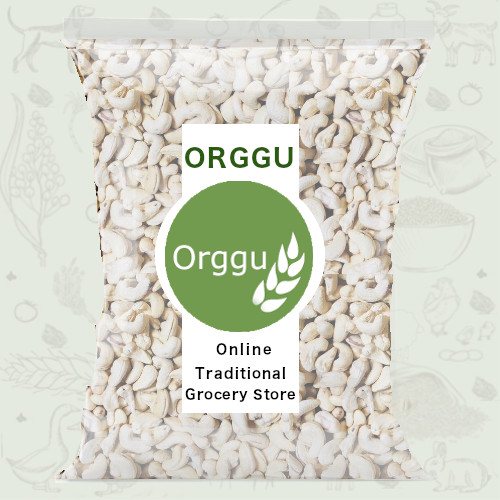
Cashew Nuts (Kaju)
Buy Now →
Black Pepper (Whole)
Buy Now →Step-by-Step Instructions
- Wash and soak the moong dal. Rinse the dal in water until it runs clear. Soak in warm water for 15 minutes while you prep the other ingredients. This cuts cooking time in half. Tip: Warm water soaking is faster than cold — 15 minutes in warm equals 30 in cold.
- Dry-roast the millet rava. Heat a heavy-bottomed pan (kadai or thick saucepan) on medium. Add the millet rava and roast for 2 minutes, stirring continuously, until you catch a light nutty aroma. Transfer to a plate immediately. Tip: This step is non-negotiable. Roasting prevents clumping and adds a toasted depth that unroasted rava simply cannot match.
- Cook the dal. In the same pan, add the drained moong dal with 1.5 cups of water. Bring to a boil, reduce to a simmer, and cook for 8–10 minutes until the dal is soft and mushy. Mash it lightly with the back of a spoon — you want it broken down but not pureed.
- Add rava and remaining water. Pour in the remaining 1.5 cups of water and the dry-roasted millet rava. Stir well and immediately — if you let it sit, lumps form. Cook on low heat for 5–7 minutes, stirring every 30 seconds. Tip: The mixture should look like thick porridge — soft enough to drop off a spoon but not watery. Add water 2 tablespoons at a time if it’s too thick.
- Season with salt. Add salt and mix thoroughly. Remember: the pongal will thicken as it cools, so err on the side of slightly loose rather than too thick.
- Prepare the tempering (tadka). In a small pan, heat the ghee (or groundnut oil) on medium flame. Add cumin seeds and let them splutter (about 10 seconds). Add coarsely crushed black pepper, cashew nuts, curry leaves, grated ginger and a pinch of hing. Fry until the cashews turn golden brown — about 1 minute. Do not let the pepper burn. Tip: The tempering is where all the flavour lives. Be generous with ghee and pepper — this is what separates great pongal from bland porridge.
- Combine. Pour the hot tempering directly over the pongal. Mix thoroughly so every spoonful carries ghee, pepper and cumin. You should hear a satisfying sizzle.
- Serve immediately. Scoop into bowls, add an extra drizzle of ghee on top, and serve with coconut chutney and sambar. Garnish with a few fresh curry leaves.
For more tips on cooking different millets, see our Complete Guide to Cooking Millets.
Foxtail vs Kodo — Which Millet for Pongal?
Both foxtail and kodo work beautifully in pongal — as unpolished whole millets or as rava. Here is how they compare:
| Property | Foxtail Millet Rava | Kodo Millet Rava |
|---|---|---|
| Texture | Softer, creamier | Firmer, holds shape |
| Taste | Mild, slightly sweet | Nuttier, earthy |
| Cook time | 12–15 min | 15–18 min |
| Protein (per 100g) | 12.3g | 8.3g |
| Calories (per 100g) | 351 | 309 |
| Glycemic Index | ~50 | ~48 |
| Best for | Kids, elderly, first-timers | Weight loss, diabetes |
Our recommendation: If this is your first time cooking millet pongal, start with Foxtail Millet Rava — it behaves most like rice and gives the closest texture to traditional pongal. Once you are comfortable, try Kodo Millet Rava for a nuttier variation with fewer calories. If you prefer whole grains, use Foxtail Millet Unpolished or Kodo Millet Unpolished — soak for 30 minutes and cook for 30–35 minutes for a heartier, more textured pongal.
Want to learn more about foxtail millet? Read our in-depth guide: Foxtail Millet Benefits: 9 Reasons to Switch from Rice.
Health Benefits of Millet Pongal
Switching from rice to unpolished millet or millet rava does not just change one number — it shifts the entire nutritional profile of your breakfast:
Diabetes-friendly. The glycemic index drops from 73 (rice pongal) to 48–50 (millet pongal). This means a slower, steadier rise in blood sugar rather than the sharp spike-and-crash cycle that rice causes. For people with Type 2 diabetes, this one swap at breakfast can meaningfully improve fasting glucose over time. Read more in our guide: 5 Millets for Diabetes: GI Comparison Chart.
High fibre for satiety. A single serving of millet pongal delivers about 5g of dietary fibre, compared to less than 1g in rice pongal. That fibre keeps you full until lunch without the 11am snack craving. This makes millet pongal one of the most effective breakfast swaps for weight loss.
Complete protein. Moong dal combined with millet rava provides all essential amino acids — making this a complete protein meal. One serving gives you about 9g of protein, which is significant for a vegetarian breakfast.
Naturally gluten-free. Both foxtail and kodo millet are 100% gluten-free, making this recipe safe for people with celiac disease or gluten sensitivity. Unlike wheat upma or semolina pongal, millet pongal carries zero gluten risk.
Traditional postpartum food. In South Indian households, pongal has always been a recovery food for new mothers — warm, easy to digest, packed with dal protein and ghee for energy. Switching to millet rava makes it even more nutrient-dense without changing the tradition.
Variations
Khara Pongal (spicier version). Double the black pepper to 2 tsp and add 2–3 dried red chillies to the tempering. Add an extra teaspoon of ginger. This version has a strong peppery kick that works well on cold or rainy mornings.
Vegetable Pongal. Finely dice 1 carrot, 6–8 French beans and ¼ cup peas. Add them to the dal while it cooks (step 3). The vegetables soften alongside the dal and blend into the pongal without changing the core texture.
Pressure Cooker Method. Combine the soaked moong dal, dry-roasted millet rava and 3 cups water in a pressure cooker. Cook for 3 whistles on medium flame. Release pressure naturally, then mash and add the tempering. Total time: 12 minutes.
Instant Pot Method. Use the “Porridge” setting or manual high pressure for 12 minutes with natural release. Same ingredients and ratios as the stovetop method.
For Diabetics. Reduce ghee to 1 tbsp and add extra vegetables for volume. Use kodo millet rava (GI 48) instead of foxtail. Skip the cashews if watching calories closely.
For Kids. Use foxtail millet rava for the creamier texture. Mash the pongal smoother than usual and reduce the black pepper to ½ tsp. A tiny pinch of jaggery (not sugar) in the tempering makes it more appealing to younger palates.
With whole little millet (samai). Little millet is the closest of the millets to rice in texture, and it works as a whole grain rather than as rava — soak it, give the dal a head start, and you get a pongal that is creamy with a little grain still in it. Full method in our little millet pongal recipe.
What to Serve Millet Pongal With
Pongal is almost always served with accompaniments. These are the classic and best pairings:
Coconut chutney — the definitive pairing. Fresh grated coconut, roasted chana dal, green chillies, tempered with mustard seeds and curry leaves. The cool, creamy chutney balances the warm, peppery pongal perfectly.
Sambar — a full South Indian breakfast means pongal + chutney + sambar. The tangy, vegetable-loaded lentil stew rounds out the meal with extra protein and micronutrients.
Medu vada — the crispy contrast. Soft pongal with crunchy vada is the temple-breakfast combination that millions grew up eating.
Gothsu — a lesser-known but traditional Tamil pairing. This is a tangy brinjal (eggplant) and tamarind gravy that cuts through the richness of ghee-heavy pongal.
Simple pickle — mango pickle or lime pickle on the side adds an instant hit of sourness that lifts the whole plate.
Common Mistakes to Avoid
Using polished millets or rava. Polishing strips 60–70% of the fibre — the very thing that gives millet pongal its low-GI advantage. Always use unpolished millets or unpolished rava. Orggu’s Foxtail Millet Unpolished, Kodo Millet Unpolished, Foxtail Rava and Kodo Rava are all unpolished.
Skipping the dry-roast step. Unroasted rava absorbs water unevenly and forms stubborn lumps. Two minutes of dry roasting transforms the texture completely. Do not skip this.
Using too little water. Millet rava absorbs more water than rice. If you use a 1:2 ratio, your pongal will turn into a solid brick as it cools. Start with 1:3 (1 cup rava to 3 cups water) and add more if needed.
Cooking without enough fat. Pongal needs ghee. The fat is not just for flavour — it coats the millet starch and gives the dish its characteristic silky mouthfeel. Skimping on ghee turns millet pongal into bland porridge. Use at least 2 tablespoons.
Using stale millets or rava. Unpolished millets and millet rava contain natural oils in the bran layer that oxidise over time. Fresh millets smell clean and nutty; stale ones smell flat or slightly bitter. Buy in small quantities and store in an airtight container in a cool, dry place.
Storage & Reheating
Millet pongal is best eaten fresh, but leftovers keep well:
Refrigerator: Store in an airtight container within 1 hour of cooking. Keeps for 2 days. The pongal will thicken significantly as it cools — this is normal.
Reheating: Add 2–3 tablespoons of water per serving and heat on the stove over low flame, stirring frequently. Microwave works too (cover and heat 90 seconds, stir, repeat). The texture will never be quite as good as fresh, but it is still delicious.
Freezing: Not recommended. Millet pongal does not freeze well — the dal and rava separate on thawing, producing a grainy, watery result.
🌾 Why Orggu Unpolished Millets & Rava?
Orggu’s unpolished millets and millet rava retain the bran layer intact — which is where all the fibre and minerals live. Our rava is stone-milled from whole unpolished millets, not polished ones. We source from small farmers across Karnataka who grow millets using traditional rain-fed methods, no pesticides. Everything is packed fresh and stored cold so it never goes rancid.
Shop the millets in this article
Frequently Asked Questions
Also read: Foxtail Millet Benefits: 9 Reasons to Switch from Rice | How to Cook Millets Perfectly | 5 Best Millets for Diabetes