What is Cold Pressed Oil? Benefits, Types & Why It's Better Than Refined Oil

Certified organic food specialists · Sources: NIN Hyderabad, ICMR, USDA FoodData Central
📖 8 min read · In this article:
Your grandmother never used "refined" oil. She cooked with cold pressed oil — extracted the traditional way by crushing seeds in a wooden press, without heat or chemicals. The food tasted better, and people were healthier.
So what changed? In the 1960s-70s, industrial refined oils flooded the Indian market with promises of being "light" and "heart-healthy." They were cheaper, had longer shelf life, and looked crystal clear. But that clarity came at a cost — chemical solvents, bleaching agents, and high-temperature processing stripped away every nutrient the oil once had.
Today, as lifestyle diseases like diabetes, heart problems, and obesity rise across India, people are rediscovering what our ancestors always knew: cold pressed oils are simply better. Let's understand why.
Myths vs Facts About Cold Pressed Oil
Before we dive into the details, let's clear up some common misconceptions. Tap each card to reveal whether it's a myth or fact:
Shop this article
What Does "Cold Pressed" Mean?
Cold pressing is the oldest method of oil extraction, dating back thousands of years in India. The process is simple:
- Oilseeds (groundnut, coconut, sesame, etc.) are cleaned and dried naturally.
- They are placed in a wooden or steel press (called chekku in Tamil, ghani in Hindi, ghaani in Kannada).
- The press mechanically crushes the seeds at room temperature — no external heat is applied.
- Oil flows out naturally, is filtered through cloth, and is ready to use.
The term "cold pressed" means the temperature during extraction stays below 50°C. This is crucial because heat destroys vitamins, antioxidants, and the natural flavour compounds in oil. The result is oil that retains its original colour, aroma, and full nutritional profile.
In rural India, you can still find traditional chekku mills where a bullock walks in circles to turn the wooden press. While modern cold pressing uses steel expellers, the principle remains the same — slow, chemical-free extraction that respects the seed's natural goodness.
Cold Pressed Oil vs Refined Oil
The difference between cold pressed and refined oil is dramatic. Here's a side-by-side comparison:
| Parameter | Cold Pressed Oil | Refined Oil |
|---|---|---|
| Extraction | Mechanical crushing, no heat | Chemical solvents (hexane) + high heat |
| Processing | Filtered through cloth, minimal processing | Bleached, deodorized, degummed |
| Nutrients | Rich in Vitamin E, antioxidants, omega fatty acids | Most nutrients destroyed during processing |
| Colour | Natural golden/amber colour | Pale, almost transparent |
| Aroma | Natural seed aroma | No smell (deodorized) |
| Taste | Rich, distinct flavour | Bland, neutral taste |
| Shelf Life | 4-6 months | 12-18 months |
| Trans Fats | Zero trans fats | May contain trans fats from high-heat processing |
| Price | Higher (lower yield per kg of seeds) | Cheaper (chemical extraction yields more oil) |
Refined oils became popular in India because they were cheaper and had a longer shelf life — convenient for mass distribution. But the trade-off is significant: chemical residues, zero nutrients, and potential trans fats. Cold pressed oils cost a bit more, but you're paying for real, nutrient-rich food — not a chemically processed substitute.
Types of Cold Pressed Oils & Their Benefits
Here are the most popular cold pressed oils available in India, each with unique benefits:
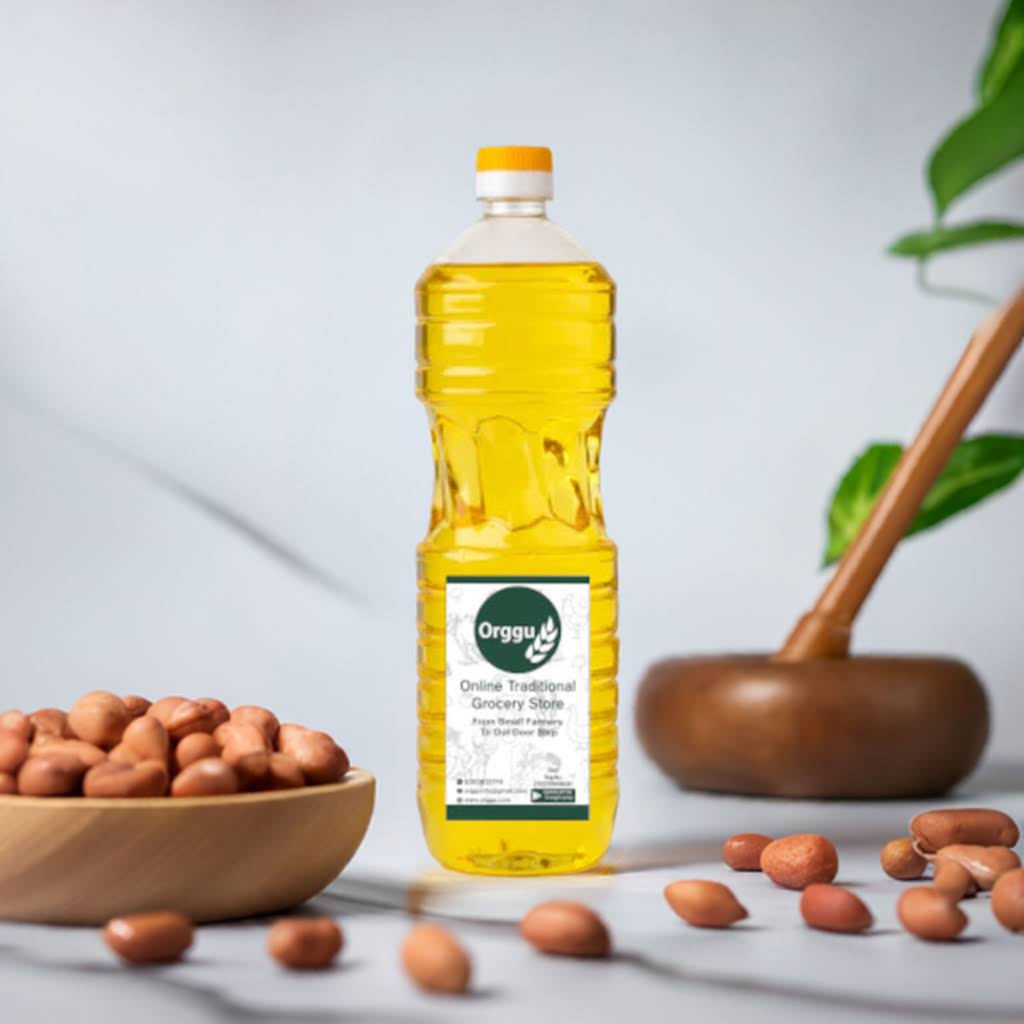
1. Groundnut Oil (Cold Pressed)
Groundnut oil (peanut oil) is the most versatile cold pressed oil for Indian cooking. It has a high smoke point (~230°C), making it ideal for deep frying, tadka, and everyday cooking. The mild, nutty flavour enhances the taste of dishes without overpowering them.
- Rich in Vitamin E — a powerful antioxidant that protects cells from damage
- Good source of monounsaturated fats (MUFA) — helps lower bad cholesterol (LDL) while maintaining good cholesterol (HDL)
- Contains resveratrol — the same antioxidant found in red grapes, linked to heart health
- High smoke point — doesn't break down easily at cooking temperatures, making it safe for frying
Best for: Deep frying, stir frying, tadka, gravies, biryanis, and everyday cooking.
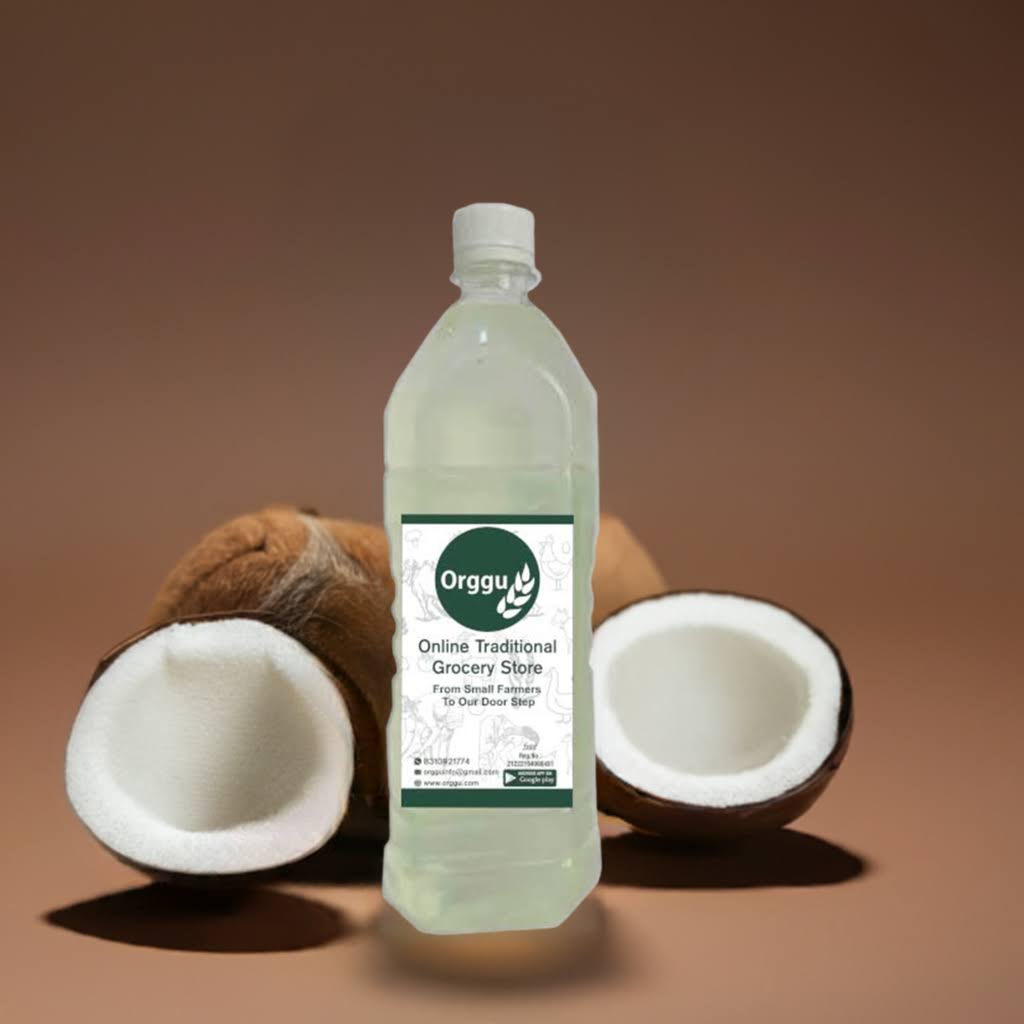
2. Coconut Oil (Cold Pressed)
Coconut oil is a staple of South Indian cooking and has been used for centuries in Kerala, Tamil Nadu, and Karnataka. Cold pressed coconut oil has a rich aroma and natural sweetness that transforms simple dishes into comfort food.
- Rich in lauric acid — a medium-chain fatty acid with powerful antimicrobial and antifungal properties that boosts immunity
- Supports brain health — MCTs (medium-chain triglycerides) in coconut oil provide quick energy to brain cells
- Excellent for hair and skin — deeply moisturizes, reduces dandruff, and promotes hair growth when applied externally
- Boosts metabolism — MCTs are quickly converted to energy rather than stored as fat
Best for: South Indian cooking (sambar, avial, stir-fries), chutneys, appam, and as a hair/skin care oil.
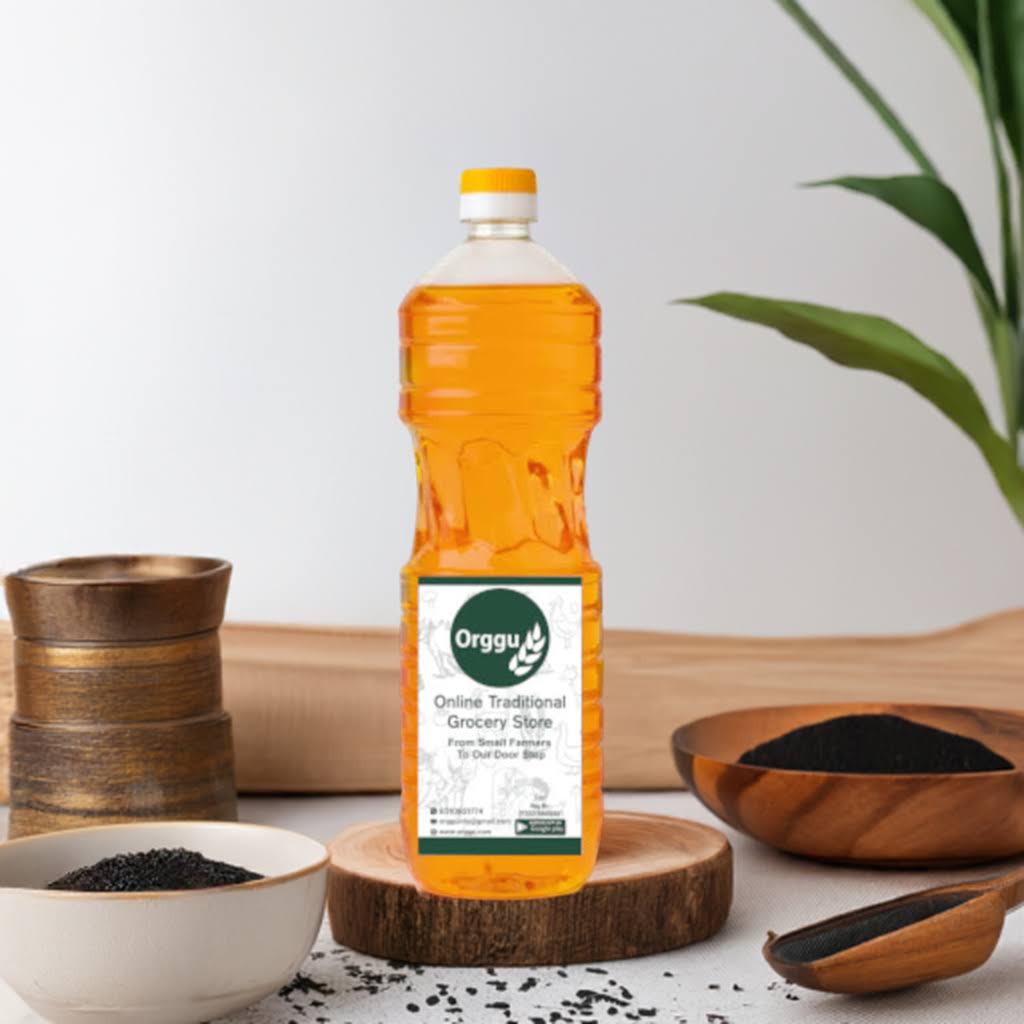
3. Sesame Oil (Cold Pressed)
Sesame oil (gingelly oil / til oil) holds a special place in Ayurveda. It's considered a warming oil, excellent for winter cooking and traditional oil baths (abhyanga). Cold pressed sesame oil has a deep amber colour and distinctive nutty aroma.
- Rich in calcium — one of the best plant-based sources of calcium, essential for bone health
- Powerful anti-inflammatory — contains sesamol and sesaminol, unique antioxidants that reduce inflammation
- Heart-healthy — helps regulate blood pressure and prevents arterial plaque buildup
- Revered in Ayurveda — used for oil pulling (kavala), massage, and as a base oil in traditional medicine for thousands of years
Best for: South Indian cooking, pickles, chutneys, traditional oil baths, and Ayurvedic massage.
4. Castor Oil
Castor oil is not a cooking oil — it's a wellness and beauty oil with remarkable therapeutic properties. Extracted from castor seeds (Ricinus communis), it has been used in Indian households for generations for hair care, skin care, and traditional remedies.
- Hair growth powerhouse — ricinoleic acid in castor oil improves blood circulation to the scalp, promoting thicker hair growth and reducing hair fall
- Deep skin moisturizer — its thick consistency locks in moisture, excellent for dry skin, cracked heels, and lips
- Natural laxative — traditionally used in small doses for constipation relief (consult a doctor before internal use)
- Joint pain relief — warm castor oil packs applied to joints can reduce inflammation and pain
Best for: Hair oiling, skin moisturizing, eyebrow/eyelash growth, and traditional wellness remedies.
How to Identify Genuine Cold Pressed Oil
With the growing demand for cold pressed oils, many brands are mislabelling refined or semi-refined oils as "cold pressed." Here's how to spot the real thing:
- Colour: Genuine cold pressed oil has a deep, natural colour — golden for groundnut, light yellow for coconut (when liquid), amber for sesame. If it looks pale or water-clear, it's likely refined.
- Aroma: Real cold pressed oil has a distinct, natural smell of the source seed. Groundnut oil should smell like peanuts, sesame oil like sesame seeds. If there's no aroma, it's not cold pressed.
- Sediment: A small amount of natural sediment at the bottom of the bottle is actually a good sign — it means the oil was filtered naturally, not chemically processed.
- Label check: Look for terms like "wood pressed," "chekku," "ghani," or "cold pressed" on the label. Check for FSSAI certification. Avoid oils that say "refined" or "fortified" — those are industrially processed.
- Taste test: Cold pressed oil has a rich, full-bodied flavour. A drop on your tongue should taste like the source seed. Refined oil tastes bland and neutral.
Where to Buy Cold Pressed Oils in Bangalore
Finding authentic cold pressed oils can be tricky. Many supermarket brands use the term loosely. At Orggu, we source our cold pressed oils from small-scale traditional oil mills across South India — places where seeds are still crushed slowly in wooden or steel presses without heat or chemicals.
- 100% Pure & Natural: No chemicals, no preservatives, no blending with refined oils
- FSSAI Certified: All our products meet food safety standards
- Free Delivery in Bangalore: Order online and get it delivered to your doorstep
- Cash on Delivery: Pay only when you receive your order
- ₹100 OFF on your first order above ₹200
🌱 Why Choose Orggu Cold Pressed Oils?
🌾 Small Farmers (50+ across Karnataka) → 🧹 Hand-Cleaned (no machine polishing) → ⚙️ Cold Pressed (below 50°C, zero chemicals) → 📦 Fresh Packed (airtight, food-grade) → 🚚 Free Delivery (same week, to your door)
What is marachekku (wood-pressed) oil?
You will often see cold-pressed oil sold as marachekku oil (Tamil), ganuga (Telugu), gaana or wood-pressed / bull-driven oil. These all describe the same traditional method: the seed or nut is crushed slowly in a wooden or stone press without added heat, so the oil never gets hot enough to lose its natural aroma, colour and vitamin E. In other words, marachekku oil is cold-pressed oil — the traditional Indian form of it. Modern steel cold-press machines do the same job faster; both keep far more of the oil intact than chemical refining, which strips colour, aroma and much of the antioxidants.
Used sensibly and in moderation, these oils are a wholesome swap for refined oil. To shop the traditional kind, see our marachekku (wood-pressed) oils and bull-driven oils, and for the groundnut-vs-sunflower question read groundnut vs sunflower oil.
What is marachekku oil?
Marachekku oil is the traditional Tamil name for wood-pressed oil — oil extracted by crushing the seed or nut slowly in a wooden press without added heat. Because it stays cool, it keeps its natural aroma and nutrients. It is simply the traditional form of cold-pressed oil (also called ganuga, gaana or bull-driven oil).
Is cold-pressed oil good for daily cooking?
Yes, in moderation. Cold-pressed oils keep more of their natural vitamin E, antioxidants and aroma than refined oils. Pick an oil whose smoke point suits your cooking method (groundnut and coconut handle higher heat well), and remember all oils are calorie-dense, so use a sensible amount.
Shop this article
Frequently Asked Questions
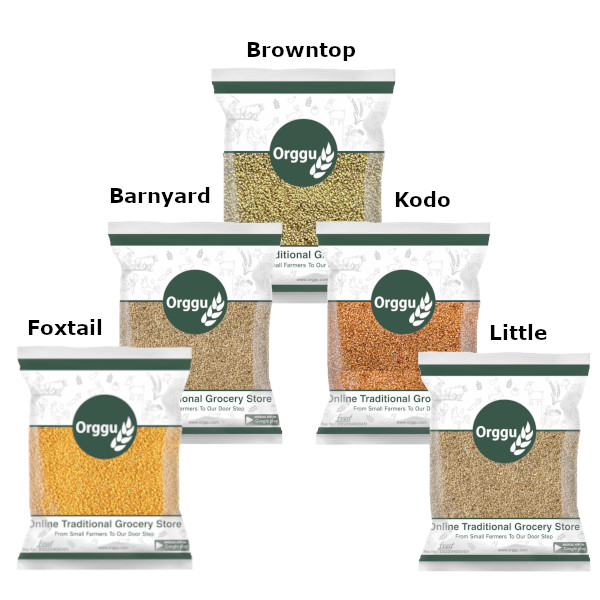
Looking for more healthy food options? Read our guide on What Are Siridhanya Millets? Complete Guide to the 5 Miracle Grains — another traditional Indian superfood making a comeback.
Try our bull-driven cold pressed oils
Sesame Oil · Coconut Oil · Groundnut Oil
No chemicals, no heat processing. Delivered across India.
Compare all 3 oils: Bull-Driven Oil Collection
