Orggu
From Small Farmers
Many people managing diabetes look at millet flours as an alternative to wheat flour. This page sets out what is generally said about them, and where the evidence is uncertain. It is not medical advice: please check with your doctor or a dietitian before changing your diet.
Millets keep more of their fibre than refined flours, and some studies have reported lower glycemic index (GI) values for some millet foods than for refined wheat or rice. But published GI figures for millets vary widely between studies, and the same flour can behave differently depending on how finely it is ground, how it is cooked and what it is eaten with. A single number for a flour is therefore only a rough guide. Our millet glycemic index guide and millets and diabetes guide go into the studies.
What and how much you eat across the whole day, your medicines and your activity matter more than any one flour, which is why your doctor should guide any change.
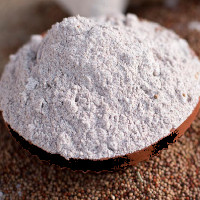
Our millet flours are made from unpolished millets: the grain’s bran layer has not been polished away. No pesticides or chemicals used: the farmers who grow the millet do not use pesticides, and we do not fumigate or chemically treat our stock.
There is no single answer that suits everyone, and published figures vary. Please ask your doctor or a dietitian which foods suit you.
Many people mix millet flour into wheat atta, starting with one part to three. Whether and how much to change your diet is a question for your doctor.
Millets contain no gluten by nature. Our flours are not tested for gluten, so if you have coeliac disease, ask your doctor which products are safe.
Knead with hot water in small batches and pat or roll it between two sheets. See millet atta for roti.
Free delivery in Bangalore · Ships across India in 2–10 business days (charges at checkout)
See the flours