Palm Jaggery vs Cane Jaggery: The Real Difference

Certified organic food specialists · Sources: NIN Hyderabad, ICMR, USDA FoodData Central
India makes two very different traditional jaggeries: cane jaggery (gud, bella, vellam) from sugarcane, and palm jaggery (karupatti, taati bellam, nolen gur) from the sap of palm trees. They look and taste different, carry different regional names, and one is far costlier than the other — but here is the honest headline first: both are still sugar, so the choice is mostly about flavour and tradition, not about one being a health food. This guide compares them clearly, gives the regional names, and helps you pick the right one.
What each one is · Regional names · Comparison table · The honest bit · Which to choose · Myths vs facts · FAQs
What each one is
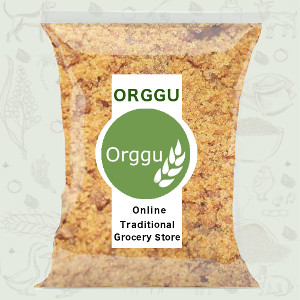
Cane jaggery is made by boiling down sugarcane juice until it sets into golden-brown blocks or powder. It is the everyday jaggery of most Indian kitchens.
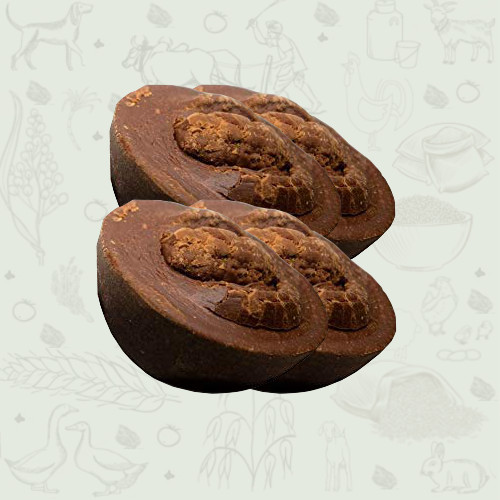
Palm jaggery is made from the sweet sap of palm trees — palmyra, date or coconut palm — tapped, boiled and set. It is typically darker, deeper and more caramel-like, and because tapping palm sap is slow, seasonal, labour-intensive work, it usually costs more. In Bengal, date-palm sap gives the prized winter nolen gur.
Shop this article
Regional names
Palm jaggery in particular is searched for by its local name — here are the common ones (palm-jaggery names refer to palm-sap jaggery from palmyra or date palm):
| Language | Cane jaggery | Palm jaggery |
|---|---|---|
| Hindi | गुड़ (Gud) | ताड़ का गुड़ (Taad ka gud) |
| Tamil | வெல்லம் (Vellam) | கருப்பட்டி (Karupatti) |
| Telugu | బెల్లం (Bellam) | తాటి బెల్లం (Taati bellam) |
| Kannada | ಬೆಲ್ಲ (Bella) | ತಾಳೆ ಬೆಲ್ಲ (Taale bella) |
| Bengali | আখের গুড় (Aakher gur) | নলেন গুড় / পাটালি (Nolen gur / Patali) |
Note: karupatti is the Tamil name for palmyra-palm jaggery; its Telugu counterpart is taati bellam. Spellings and the exact palm used vary by region.
Palm vs cane jaggery: the comparison
| Cane jaggery | Palm jaggery | |
|---|---|---|
| Source | Sugarcane juice | Palm sap (palmyra / date / coconut) |
| Colour | Golden to brown | Dark brown, sometimes almost black |
| Flavour | Clean, familiar sweetness | Deeper, caramel/toffee-like |
| Minerals | Small amounts (iron etc.) | Often a little more (varies), plus molasses |
| Glycemic index | High (it is sugar) | High (it is sugar) |
| Price | Lower — everyday | Higher — labour-intensive tapping |
| Typical use | Daily sweetening, chikki, tadka | Traditional sweets — payasam, adhirasam |
The honest bit: both are still sugar
Palm jaggery is often sold as the "healthier", "mineral-rich", even "lower-GI" jaggery. Be careful with that framing: palm jaggery is still an added sugar — calorie-dense and high on the glycemic index, like cane jaggery and white sugar. Any extra minerals are small next to the sugar that carries them, and neither jaggery aids weight loss, "detoxes" the body, or is safe to eat freely. For the full picture, see our honest jaggery vs sugar comparison. The healthiest move with any of them is simply to use less.
Which should you choose?
- For everyday sweetening — coffee, chikki, sweets, a little in sambar or rasam — cane jaggery (block) or jaggery powder is practical and affordable.
- For traditional sweets and a richer flavour — payasam, adhirasam, or a Bengal-style winter treat — palm jaggery is worth the premium.
- Either way, choose clean, chemical-free jaggery and keep the quantity modest — it is a sweetener, not a health food.
Myths vs facts
| Myth | Fact |
|---|---|
| "Palm jaggery is a healthy sugar you can eat freely." | It is an added sugar with calories similar to cane jaggery. Less refined, yes — but still to be used in moderation. |
| "Palm jaggery is low-GI / safe for diabetics." | It is high-GI and raises blood sugar like other jaggery. Treat it as sugar; follow your doctor. |
| "Palm jaggery detoxes the body." | No food does this; the liver and kidneys handle it. This is a marketing myth. |
| "Karupatti and cane jaggery are the same thing." | No — karupatti is palm-sap jaggery; cane jaggery (vellam) is from sugarcane. Different source and flavour. |
Shop natural jaggery
Try clean, chemical-free palm jaggery for that deep caramel flavour, or browse all natural jaggery — best enjoyed in moderation.
Related reading: jaggery vs sugar · millet glycemic index · millets for diabetes.
Shop this article
Frequently Asked Questions
Sources & References
- Indian Food Composition Tables (2017) — National Institute of Nutrition (NIN), Hyderabad / ICMR (composition of jaggery).
- General dietary-guideline consensus that added sugars — cane or palm jaggery included — should be limited, and that jaggery is high-GI.
General food information only. No therapeutic or quantified health claim is made for palm or cane jaggery.