Barnyard Millet in Hindi: सांवा (Sanwa), Samak, Jhangora

Sources: NIN Hyderabad, ICMR, USDA FoodData Central
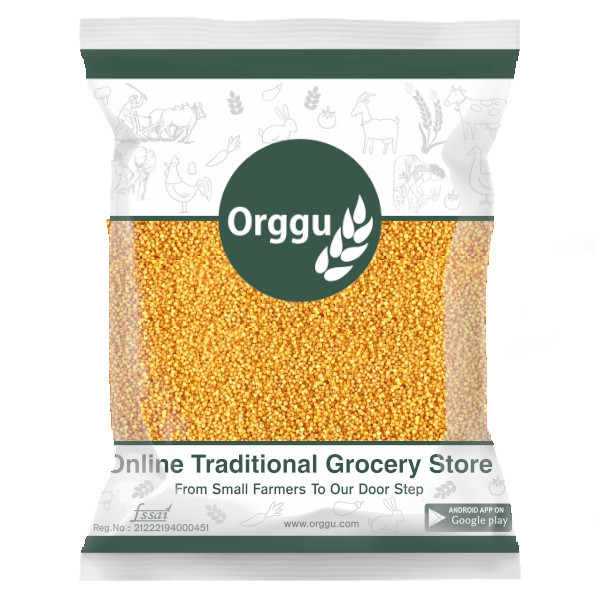
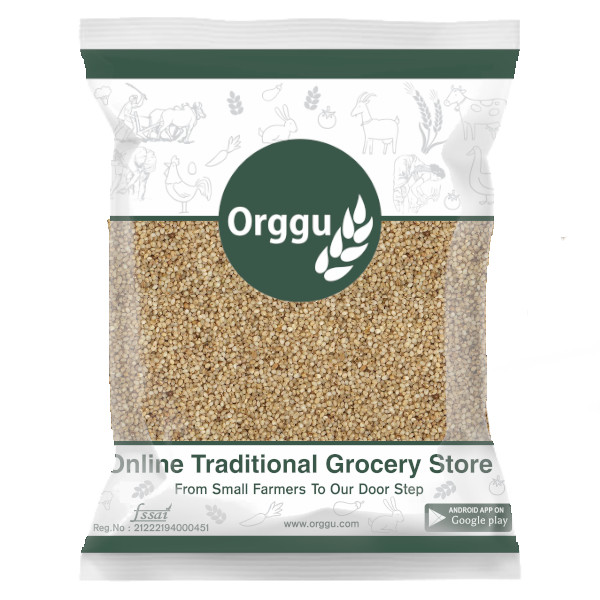
Barnyard millet in Hindi is सांवा (sanwa, also spelt sawan or sawal). In the hills of Uttarakhand it is झंगोरा (jhangora), and in shops before Navratri you will find it sold as समा के चावल (sama ke chawal), सामक (samak) or simply "vrat ke chawal". All of these are the same small, creamy-white grain, botanical name Echinochloa frumentacea.
Looking for the other grains? See all millets in Hindi in one chart.
What is barnyard millet (sanwa)?
Sanwa is one of the five Siridhanya, or "positive", millets. It grows fast on poor, dry soil and in the hills, which is why it has been a staple in Garhwal and in the dry belts of South India for generations. The Government of India's Directorate of Millets Development lists it as "Barnyard Millet (Sawal)".
The grain is tiny, round and creamy white when unpolished, and it cooks soft in about 15 minutes.
Shop the millets in this article

Delivered across India · Free delivery in Bangalore above ₹289 · 3-day returns
Barnyard millet names in Hindi and other languages
| Language | Name |
|---|---|
| English | Barnyard millet |
| Hindi | सांवा (Sanwa), सावाँ (Sawan) |
| Hindi, for fasting | समा के चावल (Sama ke chawal), सामक (Samak), व्रत के चावल (Vrat ke chawal) |
| Garhwali (Uttarakhand) | झंगोरा (Jhangora) |
| Sanskrit | श्यामाक (Shyamak) |
| Marathi | भगर (Bhagar), वरई (Varai) |
| Gujarati | સામો (Samo) |
| Kannada | ಊದಲು (Oodalu) |
| Tamil | குதிரைவாலி (Kuthiraivali) |
| Telugu | ఊదలు (Oodalu) |
| Malayalam | കവടപ്പുല്ല് (Kavadapullu) |
Sanwa in vrat: sama ke chawal
Many North Indian families eat sanwa on Navratri, Ekadashi and other fasting days, because in their custom it is not counted among the everyday grains such as rice and wheat. Fasting rules differ from family to family, so follow your own. Our guide to millets for Navratri fasting has more vrat dishes.
Sanwa is often confused with two other vrat foods:
- कुटकी (kutki) is little millet, a different grain.
- राजगिरा (rajgira) is amaranth, which is not a millet at all.
Sattvic food list: what to eat and avoid
Nutrition snapshot (per 100 g)
| Nutrient | Barnyard Millet |
|---|---|
| Calories | ~300 kcal |
| Protein | 6.2g |
| Fat | 2.2g |
| Fibre | 10.1g |
| Carbohydrates | 65.5g |
| Iron | 5mg |
| Calcium | 20mg |
Full nutrition and benefits: Barnyard millet benefits
How to cook sanwa
- Wash 1 cup of sanwa 2–3 times and soak it for at least 30 minutes (6–8 hours is best).
- Drain, add 2½ cups of water and cook covered on a low flame for about 15 minutes, or 2–3 whistles in a pressure cooker.
- Rest it covered for 5 minutes and fluff with a fork. Use it in place of rice.
If you are new to it, start with 2 cups of water and add more if needed: barnyard cooks faster than other millets and turns mushy if overcooked.
For a vrat khichdi, cook sanwa with jeera, boiled potato, roasted peanuts and sendha namak.
Shop the millets in this article
Delivered across India · Free delivery in Bangalore above ₹289 · 3-day returns
Frequently asked questions
What is barnyard millet called in Hindi?
Barnyard millet is सांवा (sanwa) in Hindi. It is also called झंगोरा (jhangora) in Uttarakhand, and sold as samak or sama ke chawal for fasting.
Is samak rice the same as barnyard millet?
Yes. Samak rice, sama ke chawal and vrat ke chawal are names for barnyard millet. It is a millet, not rice.
Is sanwa the same as kutki?
No. Sanwa is barnyard millet; kutki is little millet. Both are small millets and both are eaten on fasting days in some regions.
Can I eat sanwa during vrat?
Many families do, especially during Navratri and on Ekadashi. Fasting rules vary, so follow your family's custom.
Sources & References
- Directorate of Millets Development, Ministry of Agriculture & Farmers Welfare, “Barnyard Millet (Sawal)”: https://nutricereals.dac.gov.in/barnyardmillet.aspx
- Orggu, Millet names in Indian languages