Authentic South Indian Homemade Pickles — No Preservatives, Just Tradition

Certified organic food specialists · Sources: NIN Hyderabad, ICMR, USDA FoodData Central
📖 7 min read · In this article:
No Indian meal is truly complete without a spoonful of pickle — that sharp, tangy, spicy burst of flavour that turns even plain rice and curd into something deeply satisfying. In Kannada we call it uppinakaayi, in Hindi achar, in Tamil oorugai. Whatever the name, pickle is the soul of the Indian plate.
Our grandmothers made pickles at home every season — squeezing fresh lemons, slicing raw mangoes, grinding spices on a stone slab, and mixing everything in large ceramic jars with generous amounts of cold pressed oil. The pickle would sit in the sun for days, fermenting slowly, developing complex flavours that no factory can replicate.
Today, most pickles on supermarket shelves are a different story entirely — made with refined oil, sodium benzoate, artificial colours, and powdered spices. They look the same, but the taste and nutrition are worlds apart. If you've ever wondered why grandma's pickle tasted so much better, the answer is simple: real ingredients, no shortcuts.
Myths vs Facts About Pickles
Tap each card to reveal whether it's a myth or fact:
Store-Bought vs Homemade Pickles
Here's a honest comparison between what you find on supermarket shelves and what we make at Orggu:
| Feature | Store-Bought Pickles | Homemade (Orggu) |
|---|---|---|
| Oil Used | Refined oil (cheapest available) | Cold pressed sesame / groundnut oil |
| Preservatives | Yes (sodium benzoate, acetic acid, etc.) | None — oil and salt are the only preservatives |
| Artificial Colours | Often added for uniform appearance | None — natural colour from spices |
| Taste | Uniform, often bland or overly sour | Rich, complex, authentic home flavour |
| Shelf Life | 1-2 years (chemical preservatives) | 6-12 months (naturally preserved) |
| Spices | Pre-ground powder form | Freshly ground, sun-dried whole spices |
| Production | Factory mass-produced | Small-batch, handmade |
Why does the oil matter so much? Oil is the largest ingredient in any pickle after the fruit/vegetable itself. When a pickle is made with refined oil, you're consuming chemically processed oil with every bite. Our pickles use cold pressed oil — rich in Vitamin E and natural antioxidants — which not only tastes better but actually adds nutrition to the pickle.
And preservatives? Your body doesn't need sodium benzoate. Traditional pickles have been preserved for centuries using just two things: oil and salt. The oil creates an airtight seal on top, and salt draws out moisture that bacteria need to grow. It's nature's own preservation system — simple, safe, and time-tested.
Our Pickle Varieties
Every Orggu pickle is made in small batches using traditional Karnataka recipes, cold pressed oil, and zero preservatives. Here are our varieties:
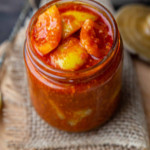
1. Lemon Pickle (Nimbe Uppinakaayi)
The quintessential Karnataka pickle. Fresh, juicy lemons are cut, salted, and mixed with a spice blend of mustard seeds, fenugreek, red chilli, and turmeric in a generous base of cold pressed sesame oil. The lemons cure slowly over days, absorbing the spices until each piece is bursting with tangy, spicy, slightly bitter flavour. This is the pickle that belongs on every South Indian thali — perfect with hot rice and a spoonful of ghee, with curd rice, or alongside dosa and idli.
2. Mango Pickle (Maavina Uppinakaayi)
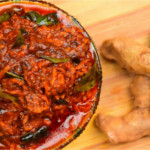
Made once a year during mango season with raw, sour mangoes — the way it's been done for generations. The mangoes are cut into thick pieces, sun-dried briefly, and mixed with a robust masala of mustard powder, fenugreek, red chilli, and asafoetida in cold pressed oil. The result is a bold, fiery pickle with that unmistakable raw mango tang. This is the pickle that people hoard — once mango season is over, you have to wait another year for a fresh batch.
3. Citron Pickle (Heralekai Uppinakaayi)
Citron (heralekai in Kannada) is a thick-skinned citrus fruit that makes one of the most beloved pickles in Karnataka. The fruit is cut, salted heavily, and left to cure for several days before being mixed with spices and cold pressed oil. Citron pickle has a unique bittersweet tang that's quite different from lemon pickle — deeper, more complex, and incredibly addictive. It's considered a specialty in many Karnataka households.

4. Amla Pickle (Nellikayi Uppinakaayi)
Amla (Indian gooseberry) is one of the richest natural sources of Vitamin C, and pickling it is a traditional way to preserve its benefits year-round. Our amla pickle is made with whole amla pieces, cold pressed oil, and a warming spice mix. It has a sharp, sour punch balanced by the earthiness of mustard and fenugreek. Beyond the taste, amla pickle is genuinely good for you — supporting immunity, digestion, and skin health.

5. Garlic Pickle
Whole garlic cloves marinated in a fiery red chilli and cold pressed oil base — this pickle is not for the faint-hearted. Garlic pickle is known for its immunity-supporting properties and bold, pungent flavour. It pairs beautifully with roti, paratha, plain rice, and even as a side with dal. Garlic is a natural antibiotic, and when preserved in cold pressed oil with traditional spices, it becomes a powerful addition to your daily diet.
What Makes Orggu Pickles Different
We don't run a pickle factory. Every Orggu pickle is made the way it would be made in a Karnataka home kitchen — just in slightly larger quantities:
- Small-batch production: Each batch is made by hand, not on an assembly line. This means consistent quality and authentic taste in every jar.
- Cold pressed oils only: We use cold pressed sesame oil and groundnut oil — never refined oil. The oil itself adds nutrition and a depth of flavour that refined oil simply cannot.
- Zero preservatives, zero artificial colours: The only preservatives in our pickles are oil and salt — exactly as nature intended. The colours you see come from turmeric, red chilli, and the fruits themselves.
- Traditional Karnataka recipes: These recipes come from real households — the same recipes that grandmothers have been making for decades.
- Sun-dried spices, hand-ground masalas: Our spices are sun-dried and freshly ground for each batch, not sourced from pre-packaged powder suppliers.
- Taste-tested: Every single batch is tasted before packing. If it doesn't meet the standard, it doesn't get sold.
How to Store Homemade Pickles
Since our pickles have no chemical preservatives, proper storage is important to keep them fresh and flavourful:
- Always use a clean, dry spoon. This is the golden rule — moisture is the enemy of pickle. Never use a wet spoon or your fingers, as this introduces bacteria.
- Keep in an airtight container. A glass or ceramic jar with a tight-fitting lid is ideal. Avoid plastic containers for long-term storage.
- Store in a cool, dry place away from direct sunlight and heat. A kitchen shelf away from the stove works well.
- Oil layer on top is normal. You'll notice a layer of oil sitting on top of the pickle — don't mix it in. This oil layer is nature's preservative, creating an airtight seal that keeps the pickle fresh.
- Best consumed within 6-12 months for optimal taste and freshness. The pickle won't go bad immediately after, but the flavour is at its peak within this window.
🌱 Why Families Across Bangalore Trust Orggu Pickles
🌾 Fresh Ingredients (seasonal fruits, whole spices) → ☵️ Traditional Recipes (Karnataka home kitchen style) → 🧹 Handmade (small-batch, no factory line) → 📦 Fresh Packed (airtight, food-grade jars) → 🚚 Free Delivery (across Bangalore, to your door)
Frequently Asked Questions
Want to know why we use cold pressed oil in our pickles? Read our guide: What is Cold Pressed Oil? Benefits, Types & Why It's Better Than Refined Oil