Barnyard Millet (Oodalu): Complete Guide — Health Benefits, Nutrition & Cooking Tips

Certified organic food specialists · Sources: NIN Hyderabad, ICMR, USDA FoodData Central
📖 ~6 min read · In this article:
Barnyard millet is the unsung hero of the Siridhanya family. While foxtail millet gets the most attention, barnyard millet quietly holds two remarkable records: it has the lowest glycemic index (~41) and the highest fibre content (10.1g per 100g) among all millets. If you're managing diabetes or trying to lose weight, barnyard millet is arguably the single best grain you can eat.
Known as Oodalu in Kannada, Kuthiraivali in Tamil, and Sanwa in Hindi, barnyard millet is one of the 5 positive millets recommended by Dr. Khadar Vali. It has been cultivated in India for centuries and is traditionally consumed during fasting periods because it's incredibly light to digest. Today, as lifestyle diseases rise, this humble grain is being rediscovered for its extraordinary health benefits.
What is Barnyard Millet?
Barnyard millet (Echinochloa frumentacea) is a fast-growing, small-seeded grain that thrives in waterlogged and semi-arid conditions where other crops struggle. It's one of the hardiest crops in India, requiring minimal water and no chemical fertilizers — making it both farmer-friendly and environment-friendly.
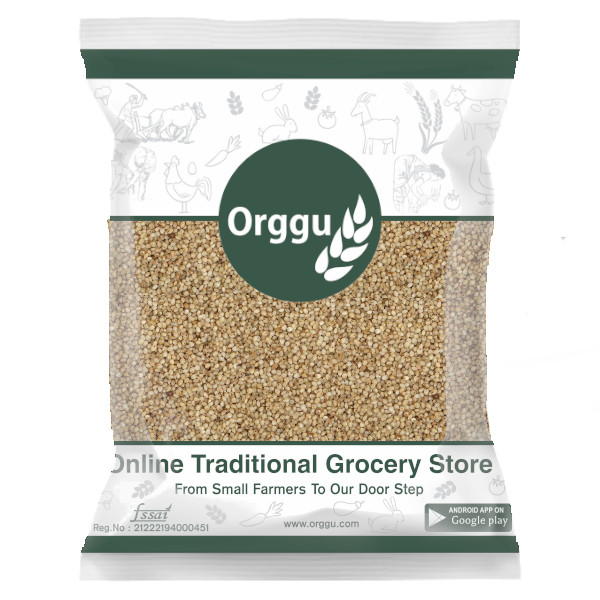
The grains are tiny, round, and pale white to light brown in colour. Barnyard millet has a mild, slightly earthy flavour and a lighter texture compared to foxtail millet. It absorbs the flavours of whatever you cook it with, making it incredibly versatile.
In many parts of India, barnyard millet is not classified as a cereal grain — which is why it's traditionally eaten during Navratri fasting and other vrat days.
| Language | Name |
|---|---|
| Kannada | Oodalu (ಲೂದಲು) |
| Tamil | Kuthiraivali (குதிரைவாலி) |
| Hindi | Sanwa / Jhangora |
| Telugu | Odalu (పదలు) |
| Malayalam | Kavadapullu (കവടപുല്ലു) |
| Marathi | Bhagar / Varai |
Nutritional Value of Barnyard Millet
Here's the nutrition profile of barnyard millet per 100g (unpolished):
| Nutrient | Barnyard Millet | White Rice (comparison) |
|---|---|---|
| Calories | ~300 kcal | ~365 kcal |
| Protein | 6.2g | 6.8g |
| Fat | 2.2g | 0.6g |
| Fibre | 10.1g | 0.4g |
| Carbohydrates | 65.5g | 79g |
| Iron | 5mg | 0.8mg |
| Calcium | 20mg | 10mg |
| Glycemic Index | ~41 (Very Low) | ~73 (High) |
The standout numbers: 25x more fibre than white rice, 6x more iron, 65 fewer calories, and a dramatically lower glycemic index (41 vs 73). For diabetics and weight-watchers, these aren't just better numbers — they're life-changing numbers.
Health Benefits of Barnyard Millet
- Best millet for diabetes (lowest GI ~41): Barnyard millet has the lowest glycemic index among all millets and grains commonly available in India. The very slow glucose release helps prevent blood sugar spikes after meals — the primary concern for Type 2 diabetics. Studies have shown significant improvement in fasting blood sugar levels among people who replaced rice with barnyard millet.
- Highest fibre — excellent for weight loss: At 10.1g of fibre per 100g, barnyard millet has the highest fibre content among all Siridhanya millets. Combined with its low calorie count (~300 kcal vs ~365 for rice), it keeps you full for hours while consuming fewer calories. It's the ideal grain for anyone on a weight management plan.
- Traditionally used during fasting: Barnyard millet is so light and easy to digest that it's been the go-to grain during religious fasting periods across India for centuries. It provides sustained energy without making you feel heavy — exactly what you need when fasting.
- Rich in iron — helps with anaemia: With 5mg of iron per 100g (6x more than rice), barnyard millet is one of the best plant-based sources of iron. Regular consumption helps combat iron-deficiency anaemia, which affects millions of Indians, especially women.
- Supports gut health: The exceptionally high fibre content acts as a prebiotic — feeding the good bacteria in your gut. This improves digestion, nutrient absorption, and overall gut health. People who switch to barnyard millet often report reduced bloating and better bowel regularity.
- Naturally gluten-free: 100% safe for people with celiac disease, gluten intolerance, or anyone choosing to avoid gluten. Unlike gluten-free processed foods, barnyard millet is a whole grain with complete nutrition.
Easy Barnyard Millet Recipes
Barnyard millet's mild flavour makes it adaptable to almost any recipe. Here are four easy ways to start:
1. Barnyard Millet Rice (Oodalu Anna)
The simplest starting point — cook barnyard millet like rice and serve with sambar, rasam, or any curry. The texture is slightly lighter and fluffier than foxtail millet rice. It's particularly good with curd and pickle for a light, satisfying meal.
2. Barnyard Millet Kheer (Payasam)
A guilt-free dessert! Cook barnyard millet in milk with jaggery, cardamom, and cashews. Because it's low-GI, this kheer doesn't cause the sugar spike that rice kheer does. Perfect for festivals when you want to enjoy sweets without the health compromise.
3. Barnyard Millet Upma
A protein-rich breakfast option. Sauté mustard seeds, curry leaves, onions, and vegetables in ghee, add soaked barnyard millet with water, and cook until fluffy. The millet absorbs all the tempering flavours beautifully.
4. Barnyard Millet Dosa
Soak barnyard millet and urad dal overnight, grind into a batter, and ferment for 8 hours. Make crispy dosas on a hot tawa. These dosas are high in fibre and low in GI — a much healthier version of the classic South Indian breakfast.
How to Cook Barnyard Millet
- Soak: Wash barnyard millet and soak for 6-8 hours (overnight is ideal). Minimum 30 minutes if short on time.
- Rinse: Drain and rinse thoroughly with fresh water.
- Cook: Use a 1:2.5 millet-to-water ratio. Bring water to boil, add soaked millet, cover and cook on low flame for 15 minutes. Or pressure cook for 2-3 whistles.
- Rest: Turn off heat, keep covered for 5 minutes. Fluff with a fork.
- Serve: Use as a direct replacement for rice in any meal.
Why Buy Unpolished Barnyard Millet?
The bran layer of barnyard millet contains the majority of its fibre, iron, and vitamins. Polishing removes this layer, stripping away 60-70% of the nutrients — the very nutrients that make barnyard millet so beneficial for diabetes and weight loss. Always buy unpolished.
At Orggu, we sell 100% unpolished barnyard millet sourced from small farmers. Chemical-free, hand-cleaned, and sun-dried.
Also available in other forms:
- Barnyard Millet Flour — ₹90/500g — for dosa batter, roti, and baking
- Barnyard Millet Flakes — ₹69/250g — quick-cook poha and porridge
- Barnyard Millet Rava — ₹109/400g — for upma and kheer
- Barnyard Millet Puff — ₹80/100g — healthy ready-to-eat snack
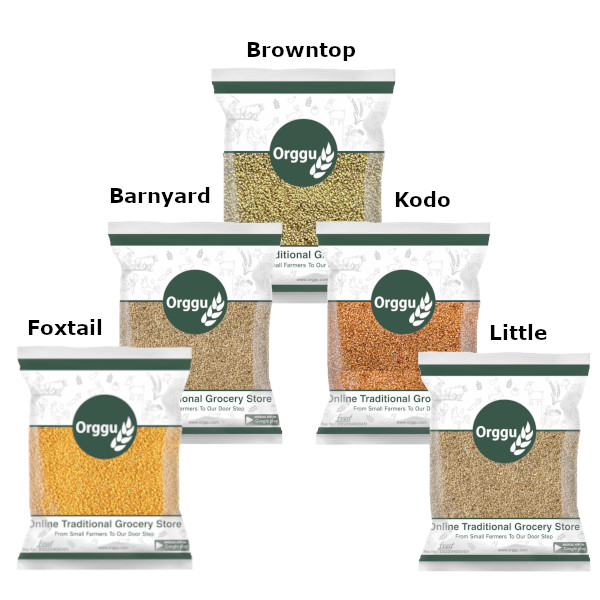
Want all 5 Siridhanya millets? Try our combo pack:
🌱 Why Choose Orggu Millets?
🌾 Small Farmers (50+ across Karnataka) → 🧹 Hand-Cleaned → ☀️ Sun-Dried (100% unpolished) → 📦 Fresh Packed → 🚚 Free Delivery (to your door)
Frequently Asked Questions
Also read: Foxtail Millet (Navane): Benefits, Nutrition, Recipes & Where to Buy | What Are Siridhanya Millets? Complete Guide to the 5 Miracle Grains

Sources & References
- Indian Food Composition Tables (2017) — National Institute of Nutrition, Hyderabad
- USDA FoodData Central — U.S. Department of Agriculture
- Indian Journal of Medical Research — Glycemic Index Studies
Try barnyard millet today
Lowest GI of all millets — just 41. Ideal for diabetes management.
Buy Unpolished Barnyard Millet