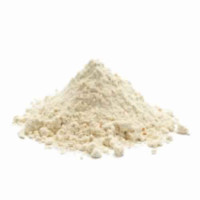
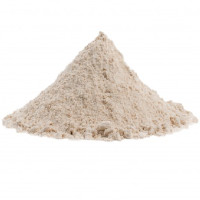
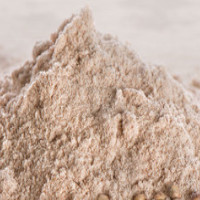
How to Make Activated Millet Flour at Home — Step-by-Step Guide (2026)

Orggu Research TeamSources: NIN Hyderabad, ICMR, USDA FoodData Central
By Orggu Team · 5 March 2026 · Last updated: 16 October 2026
📖 ~10 min read · In this article:
Most people buy millet flour from stores and wonder why it doesn't taste great or feels heavy on the stomach. The secret? Store-bought millet flour is NOT activated. It's just raw millets ground into powder — with all the anti-nutrients still intact.
Activated millet flour is a game-changer. By simply soaking unpolished millets before grinding, you unlock up to 3x more nutrition, lighter texture, and better taste. And the best part? You can make it at home in just a few simple steps.
🌱 Activated millet flour = 3x more iron, calcium & zinc absorption than regular millet flour
📲 Share this guide on WhatsApp
What Is Activated Millet Flour?
Activated millet flour is made by soaking unpolished millets in water for 8–12 hours before drying and grinding them into flour. This soaking process “activates” natural enzymes in the grain that:
- Break down phytic acid — the anti-nutrient that blocks mineral absorption
- Reduce tannins — compounds that make millets taste bitter
- Pre-digest proteins — making them easier for your body to absorb
- Increase B-vitamins — especially B2, B6, and folate
Research fact: Soaking millets for 12 hours reduces phytic acid by 60–80%, increasing iron bioavailability by up to 3 times.
Source: Journal of Food Science and Technology, 2019
Think of it this way: raw millets have a “nutrient lock” (phytic acid) that prevents your body from absorbing the good stuff. Soaking is the key that unlocks those nutrients.
Shop the millets in this article
Why Activate? Regular Flour vs Activated Flour
Here’s exactly what changes when you activate your millets before grinding:
❌ Regular Millet Flour
High phytic acid (blocks minerals)
Only 30–40% iron absorbed
Heavy, dense texture
Slightly bitter taste
Harder to digest
Shorter shelf life
✅ Activated Millet Flour
60–80% phytic acid removed
Up to 90% iron absorbed
Light, fluffy texture
Mild, nutty flavour
Easy on the stomach
2–3 months shelf life
💡 Myth: “Buying millet flour from the store is the same as making it at home.”
✅ Fact: Store-bought millet flour is almost never activated. It’s just raw millets ground into powder. You miss out on 60–80% of the mineral absorption. Making activated flour at home takes one extra step (soaking) but gives you 3x more nutrition.
💡 Myth: “Polished millets are fine for making flour.”
❌ Wrong! Polished millets have their bran layer removed, which contains 30–40% of the fibre, iron, and B-vitamins. Always use unpolished millets for activated flour — you get the full bran nutrition PLUS the activation benefits.
🔥 Pro Tip: The #1 mistake people make is using polished millets. The whole point of activation is to unlock nutrients trapped in the bran layer. If the bran is already removed (polished), there’s very little to unlock. Always start with unpolished millets.
Step-by-Step: Make Activated Millet Flour at Home
Here’s the complete process. Total active time is about 30 minutes — the rest is just waiting for the millets to soak and dry.
1 Clean & Measure the Millets
Take 500g of unpolished millet (any Siridhanya millet). Rinse under running water 2–3 times to remove dust, small stones, and husk debris. Unpolished millets may have more debris than polished ones — this is normal and a sign they’re minimally processed.
2 Soak in Water (8–12 Hours)
Place the cleaned millets in a large bowl and add 3x the volume of water (e.g., 500g millet = 1.5 litres water). Cover with a plate or cloth and let it soak for 8–12 hours (overnight is easiest).
📍 What’s happening: The water activates phytase enzymes that break down phytic acid. You’ll notice the water turns slightly cloudy — that’s the anti-nutrients dissolving away.
3 Drain & Rinse
After soaking, drain all the water completely (don’t reuse it — it contains the phytic acid you just removed). Rinse the millets 2–3 times with fresh water until the water runs relatively clear.
4 Dry Completely (Critical Step!)
Spread the soaked millets in a thin, even layer on a flat tray, steel plate, or clean cotton cloth. Dry using one of these methods:
- Sun drying (best): 6–8 hours of direct sunlight. Stir every 2 hours.
- Oven drying: 60–70°C for 2–3 hours. Keep the door slightly open for ventilation.
- Fan drying (rainy season): Place under a ceiling fan for 10–12 hours. Takes longer but works.
⚠️ This is the most important step. The millets MUST be completely dry and crunchy. Test: press a grain between your fingernails — it should crack, not squish. Any moisture = flour will spoil in days.
5 Grind into Flour
Once bone-dry, grind the millets in a mixer grinder (pulse mode, 30 seconds at a time to avoid overheating) or take them to your local flour mill. Sieve to remove coarse bits and re-grind them for uniform flour.
📍 Yield: 500g unpolished millet = approximately 480–490g activated flour (minimal loss).
6 Store in Airtight Container
Transfer the flour to a clean, dry, airtight container (glass jar or steel dabba). Label it with the date and millet type.
- Room temperature: Lasts 2–3 months
- Refrigerator: Lasts 4–6 months
- Freezer: Lasts up to 1 year
🔥 Kitchen Hack: Soak millets before bed, drain in the morning, spread on a tray, and sun-dry through the day. By evening, take them to the flour mill. One batch gives you flour for 2–3 months!
Soaking Times for Each Siridhanya Millet
Different millets have different hull thicknesses. Here’s the optimal soaking time for each:
| Millet | Soak Time | Texture After Grinding | Best For |
|---|
| Foxtail Millet | 8 hours | Fine, light | Dosa, roti, chapati |
| Little Millet | 8 hours | Very fine | Idli, roti, porridge |
| Barnyard Millet | 8–10 hours | Fine, fluffy | Dosa, uttapam, laddu |
| Kodo Millet | 10–12 hours | Medium-coarse | Porridge, laddu, upma |
| Browntop Millet | 10–12 hours | Slightly coarse | Roti, laddu, porridge |
🔥 Pro Tip: Want to make multi-millet activated flour? Soak each millet separately (they have different soak times), dry them, then mix before grinding. A great ratio: 30% Foxtail + 25% Little + 20% Barnyard + 15% Kodo + 10% Browntop.
Bonus: Sprouted Millet Flour (Extra Nutrition)
Want to take it one step further? Sprout your millets after soaking for even more nutrition. Sprouting converts stored starches into easily digestible sugars and increases vitamin C content.
🌱 Sprouted Activated Flour (Best)
Soak 8–12 hrs → Drain → Sprout 12–24 hrs → Dry → Grind
Phytic acid reduced: 85–95% | Iron absorption: Up to 95% | Time: 2 days
💧 Activated Flour (Great)
Soak 8–12 hrs → Drain → Dry → Grind
Phytic acid reduced: 60–80% | Iron absorption: Up to 90% | Time: 1 day
❌ Regular Flour (Avoid)
Raw millet → Grind directly
Phytic acid: 100% intact | Iron absorption: 30–40% | No activation
How to sprout: After soaking and draining, spread the millets on a damp cotton cloth. Fold the cloth over the millets to keep them moist. Keep in a warm, dark place (inside a cupboard works). Check every 8 hours — sprinkle a little water if the cloth dries out. In 12–24 hours, you’ll see tiny white tails emerging. That’s your sprouted millet, ready to dry and grind!
Did you know? Sprouted millets have 2x the vitamin C of soaked millets, and the protein quality improves as complex proteins break down into amino acids your body can absorb directly.
Source: International Journal of Food Sciences and Nutrition, 2020
5 Easy Recipes with Activated Millet Flour
Once you have your activated millet flour ready, here are 5 delicious things to make:
1. 🍳 Activated Millet Roti / Chapati
Mix 1 cup activated millet flour + ¼ cup wheat flour (optional, for binding) + pinch of salt + warm water. Knead into a soft dough. Roll thin and cook on a hot tawa with a drop of ghee. The activated flour makes rotis softer and less crumbly than regular millet rotis.
2. 🥞 Activated Millet Dosa
Mix 1 cup activated Foxtail or Barnyard millet flour + ½ cup rice flour + salt + water to make a thin batter. Let it rest for 30 minutes. Pour on a hot tawa and spread thin. The activated flour ferments faster and produces crispier dosas.
3. 🍮 Millet Laddu (Kids Love This!)
Dry roast 2 cups activated millet flour on low heat until aromatic (5 mins). Cool completely. Mix with 1 cup powdered jaggery + ½ cup ghee + crushed nuts + cardamom. Shape into laddus. Activated flour makes laddus lighter and easier to digest.
4. 🍲 Morning Porridge (Ganji)
Add 3 tbsp activated millet flour to 1 cup boiling water or milk. Stir continuously for 3–4 minutes. Add jaggery or honey to taste. The activated flour cooks faster (3 mins vs 8 mins for regular) and is smoother in texture. Great for babies 8 months+ and elderly.
5. 🍰 Millet Pancakes (Quick Breakfast)
Whisk 1 cup activated millet flour + 1 egg + ½ cup milk + 1 tbsp jaggery + pinch of baking powder. Cook on a non-stick pan with butter. These come out fluffy and have a beautiful nutty flavour. Kids won’t even know it’s millet!
Common Mistakes to Avoid
⚠️ Mistake #1: Using polished millets
❌ Polished millets have the nutrient-rich bran layer removed. Activation works by breaking down anti-nutrients IN the bran. No bran = minimal benefit. Always use unpolished millets.
⚠️ Mistake #2: Not drying millets completely before grinding
❌ Even a little moisture will make your flour go rancid within a week. The millets must be bone-dry and crack (not squish) when pressed between fingernails. When in doubt, dry for an extra hour.
⚠️ Mistake #3: Soaking for too long (24+ hours)
❌ Over-soaking causes fermentation and a sour taste. Stick to 8–12 hours. If you forget and it’s been 16+ hours, smell the water — if it’s sour, drain immediately and rinse well. The flour will still be fine but slightly tangy.
⚠️ Mistake #4: Grinding in a regular blender instead of a mixer grinder
✅ A mixer grinder (Indian-style with grinding jar) works perfectly. Blenders are too weak for dry grinding. If you don’t have a mixer grinder, take the dried millets to your nearest flour mill — they’ll grind it for a small fee.
Buy Unpolished Millets from Orggu — Make Your Own Activated Flour
The foundation of great activated millet flour is high-quality, unpolished millets. This is where most people go wrong — they buy polished or semi-polished millets from supermarkets and wonder why their flour doesn’t taste right.
Orggu sources unpolished Siridhanya millets directly from small farmers in Karnataka and Tamil Nadu. No middlemen, no polishing, no chemicals. Just pure, farm-fresh millets that are perfect for activation.
🌱 Why Orggu Millets Are Perfect for Activated Flour
✅ 100% Unpolished
🍀 Chemical-Free
🚚 Free Delivery (Bangalore)
💰 COD (Bangalore)
🏭 Direct from Farmers
📦 Freshly Packed
Unlike supermarket millets that may be partially polished or months old, Orggu millets are processed traditionally and shipped fresh. This means more bran nutrients for your activated flour to unlock.
Buy Individual Millets
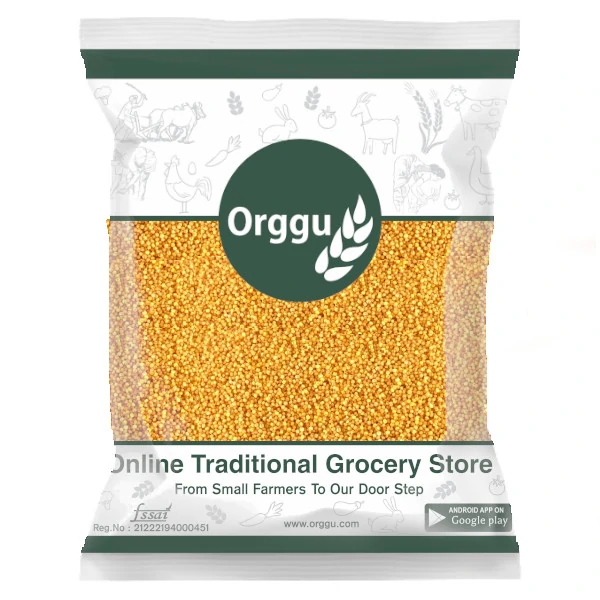
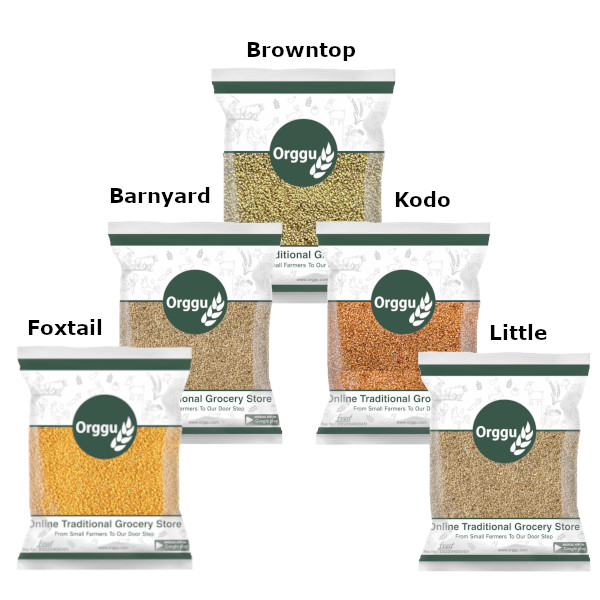
Foxtail Millet (Navane) — Unpolished
₹118/kg
Best for dosa & roti flour
Buy Now
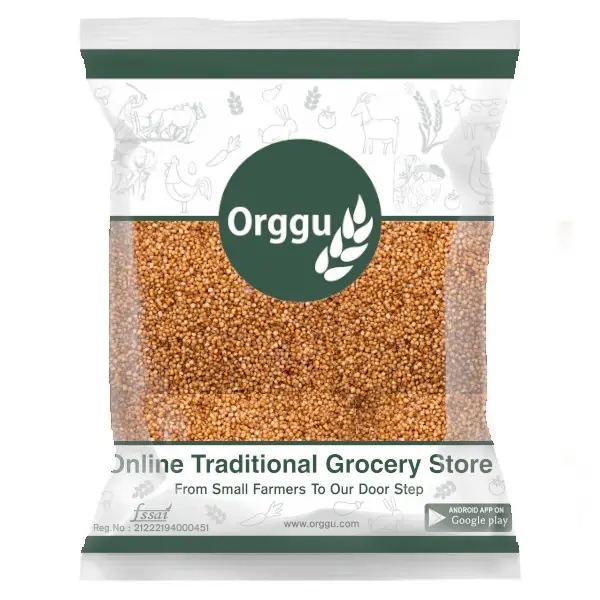
Kodo Millet (Harka) — Unpolished
₹128/kg
Best for porridge & laddu flour
Buy Now
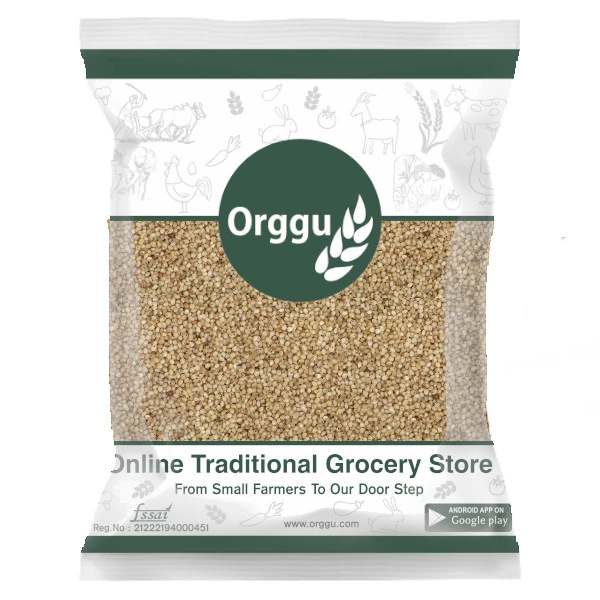
Barnyard Millet (Oodalu) — Unpolished
₹198/kg
Best for dosa & uttapam flour
Buy Now
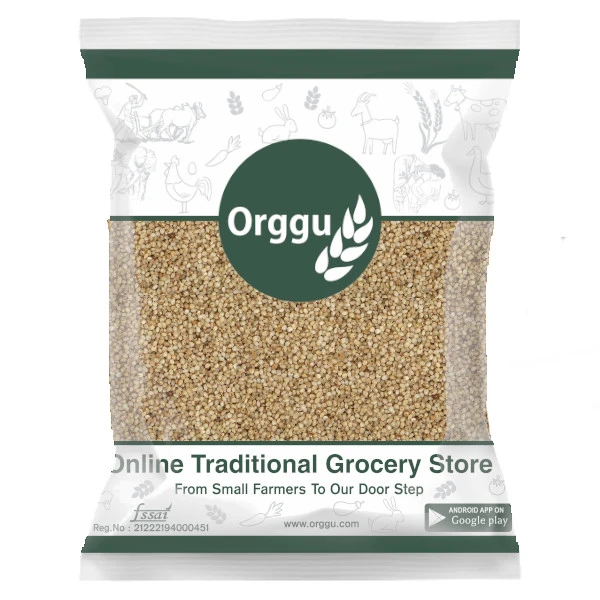
Little Millet (Saame) — Unpolished
₹198/kg
Best for idli & roti flour
Buy Now
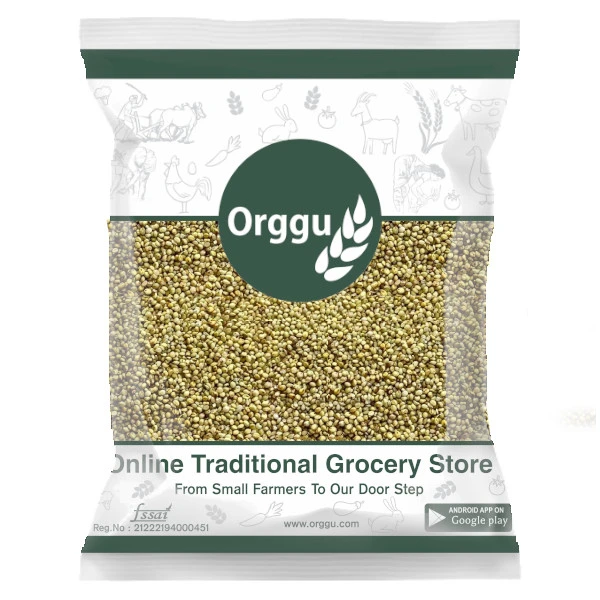
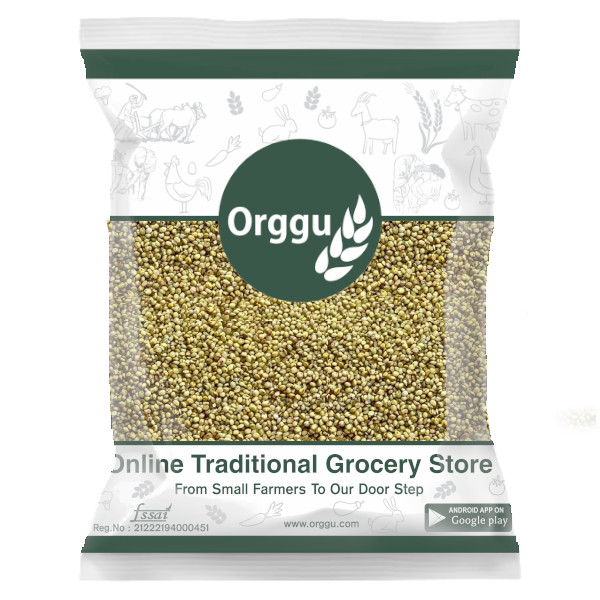
Browntop Millet (Korle) — Unpolished
₹298/kg
Rarest millet, great for laddu flour
Buy Now
Best Value: 5-Millet Combo Pack
Want to try activated flour from all 5 Siridhanya millets? The combo pack is the best way to start:

🏆 Positive Millets Combo — All 5 Millets
₹470 for 2.5kg
500g each of all 5 millets
Buy Combo
💡 With the combo pack (₹470 for 2.5kg), you can make ~2.4kg of activated millet flour — about ₹188 per kg of millets.
🌱 Start Making Activated Millet Flour Today!
Buy unpolished millets from Orggu, soak them overnight, dry, and grind. It’s that simple. Your body absorbs 3x more nutrients from activated flour. Free delivery and cash on delivery in Bangalore.
Shop All Millets →
📲 Share this recipe with family & friends
Shop the millets in this article
Frequently Asked Questions
What is activated millet flour?
Activated millet flour is made by soaking unpolished millets in water for 8–12 hours, optionally sprouting them, then drying and grinding into flour. The soaking process “activates” enzymes that break down anti-nutrients like phytic acid, making minerals like iron, calcium, and zinc 3x more bioavailable.
How long should I soak millets before grinding into flour?
Soak unpolished millets for 8–12 hours (overnight) in clean water at room temperature. Foxtail and Little millet need 8 hours, while harder millets like Kodo and Browntop benefit from 10–12 hours. Drain and rinse thoroughly after soaking.
Can I make activated flour from all 5 Siridhanya millets?
Yes! All 5 Siridhanya millets — Foxtail, Kodo, Barnyard, Little, and Browntop — can be activated. Each millet produces flour with a slightly different texture and taste. Foxtail and Barnyard give the lightest flour, ideal for dosa and roti. Kodo and Browntop produce slightly coarser flour, great for porridge and laddu.
Is activated millet flour better than regular millet flour?
Yes, activated millet flour is significantly more nutritious. Soaking reduces phytic acid by 60–80%, which triples the absorption of iron, calcium, and zinc. It also improves digestibility, reduces cooking time, and gives a lighter texture to rotis and dosas. Store-bought millet flour is not activated.
How long does activated millet flour last?
Properly dried activated millet flour lasts 2–3 months in an airtight container at room temperature, or 4–6 months in the refrigerator. The key is ensuring the millets are completely dry (no moisture) before grinding. Any residual moisture will cause the flour to spoil quickly.
Why should I use unpolished millets for activated flour?
Unpolished millets retain the bran layer which contains most of the fibre, B-vitamins, and minerals. Polished millets have this layer removed, losing 30–40% of nutrients. When you activate unpolished millets, you get the maximum nutritional benefit — the bran nutrients plus enhanced bioavailability from the activation process.
Where can I buy unpolished millets for making activated flour?
Orggu sells farm-fresh, unpolished Siridhanya millets sourced directly from small farmers in Karnataka. Prices start at ₹118/kg, with free delivery and cash on delivery in Bangalore. All 5 millets are available individually or as a combo pack for ₹470 (2.5kg).
Shop now →
🔥 Don’t Buy Flour — Make Your Own!
Store-bought millet flour is NOT activated. Buy whole unpolished millets from Orggu from ₹118/kg, activate at home, and get 3x better nutrition at a lower price.
Get the 5-Millet Combo → ₹470
Related Articles
Millet Names in Kannada: Navane, Saame, Oodalu & More
A quick reference to millet names in Kannada — navane, saame, harka, oodalu, korale and more, with Kannada script and English, verified against the Orggu glossary.
Millet Names in Telugu: Korralu, Samalu, Jonnalu & More
A quick reference to millet names in Telugu — korralu, samalu, jonnalu, sajjalu and more, with Telugu script and English, verified against the Orggu glossary.
Millet Names in Gujarati: Bajri, Juvar, Moriyo, Kang & More
A quick reference to millet names in Gujarati — bajri, juvar, moriyo / samo, kang, gajro and more, with Gujarati script and English, verified against the Orggu glossary.
Browntop Millet in Hindi (Hari Kangni): Benefits & Uses
Browntop millet in Hindi has no standard name — colloquially hari kangni. Its real regional names, why it is not the same as kangni (foxtail), nutrition and how to cook.