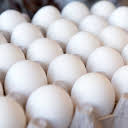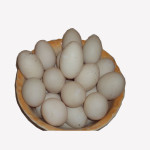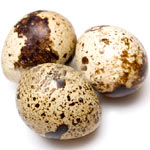
Goose egg

Goose Eggs: Nutrition, Benefits & How They Compare to Chicken Eggs
Goose eggs are one of nature's most nutrient-dense foods — a single goose egg weighs approximately 140–150 grams (about 3 times the size of a chicken egg) and provides a remarkable concentration of protein, omega-3 fatty acids, choline, and fat-soluble vitamins. Unlike commercially farmed chicken eggs, goose eggs are typically from free-range geese that forage on grass, insects, and natural feed, resulting in richer yolks with higher nutritional content.
Goose Egg vs Chicken Egg: Nutritional Comparison
One goose egg contains approximately 266 calories, 20g protein, 19g fat, 1.9mg iron, 116mg calcium, and 481mg choline. For comparison, a single chicken egg has about 72 calories, 6g protein, 5g fat, and 147mg choline. The choline content is particularly significant — choline is essential for brain health, liver function, and cell membrane integrity, and most Indians are deficient in it. A single goose egg provides nearly 90% of the daily recommended choline intake.
Health Benefits of Goose Eggs
Muscle building: With 20g of high-quality complete protein, goose eggs are excellent for athletes and anyone looking to build lean muscle. Brain health: The high choline and omega-3 content supports cognitive function and memory. Bone strength: Goose eggs contain selenium, phosphorus, and vitamin D — nutrients essential for bone mineral density. Immune support: They are rich in vitamin A, vitamin B12, and folate, all of which play vital roles in immune function.
How to Cook Goose Eggs
Boiled: Place in cold water, bring to a boil, then cook for 13–15 minutes for hard-boiled. The larger size requires more cooking time than chicken eggs. Scrambled: One goose egg is equivalent to 2–3 chicken eggs. Whisk with salt and cook on medium heat. The texture is creamier and richer. Omelette: A single goose egg makes a full-sized omelette. Add vegetables, cheese, or herbs as you would with chicken eggs. Baking: Goose eggs produce fluffier cakes and pastries due to the larger yolk and higher fat content.
Sourcing & Freshness
Orggu sources goose eggs from local free-range farms near Bangalore. Each egg is hand-collected and delivered fresh. Goose eggs are seasonal — geese typically lay between February and June — so availability may be limited outside the laying season. Store refrigerated and consume within 2 weeks for best freshness.